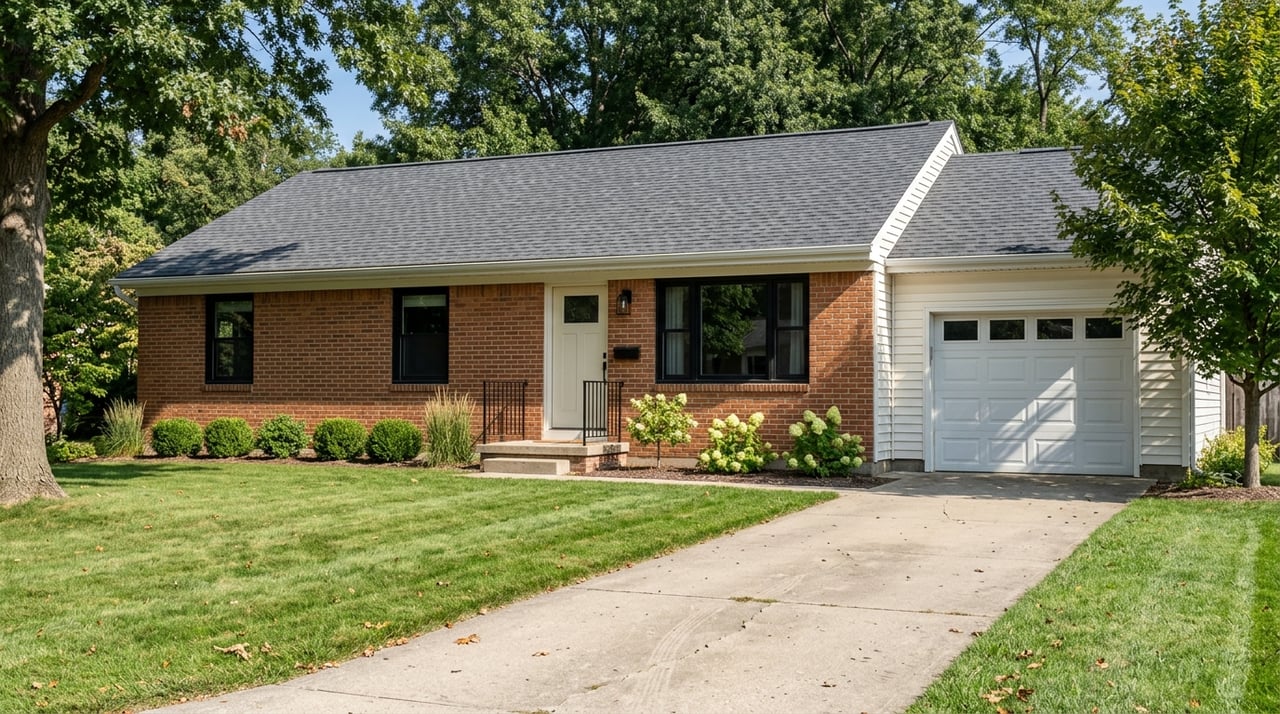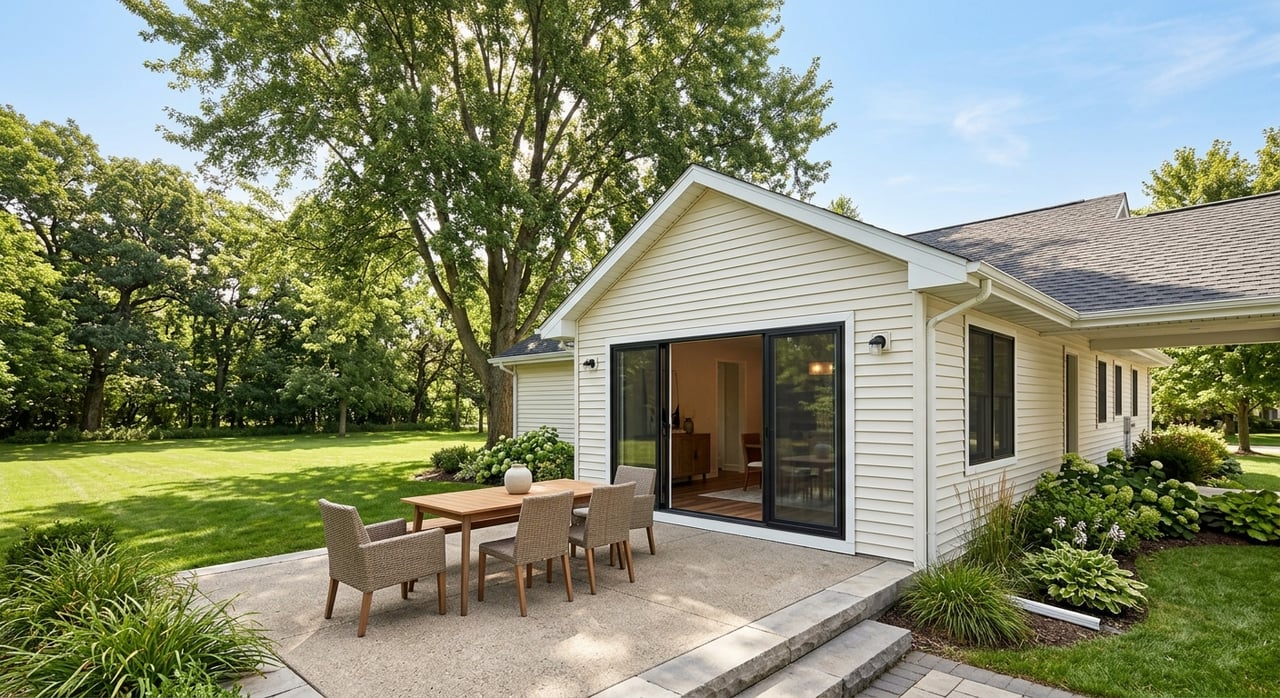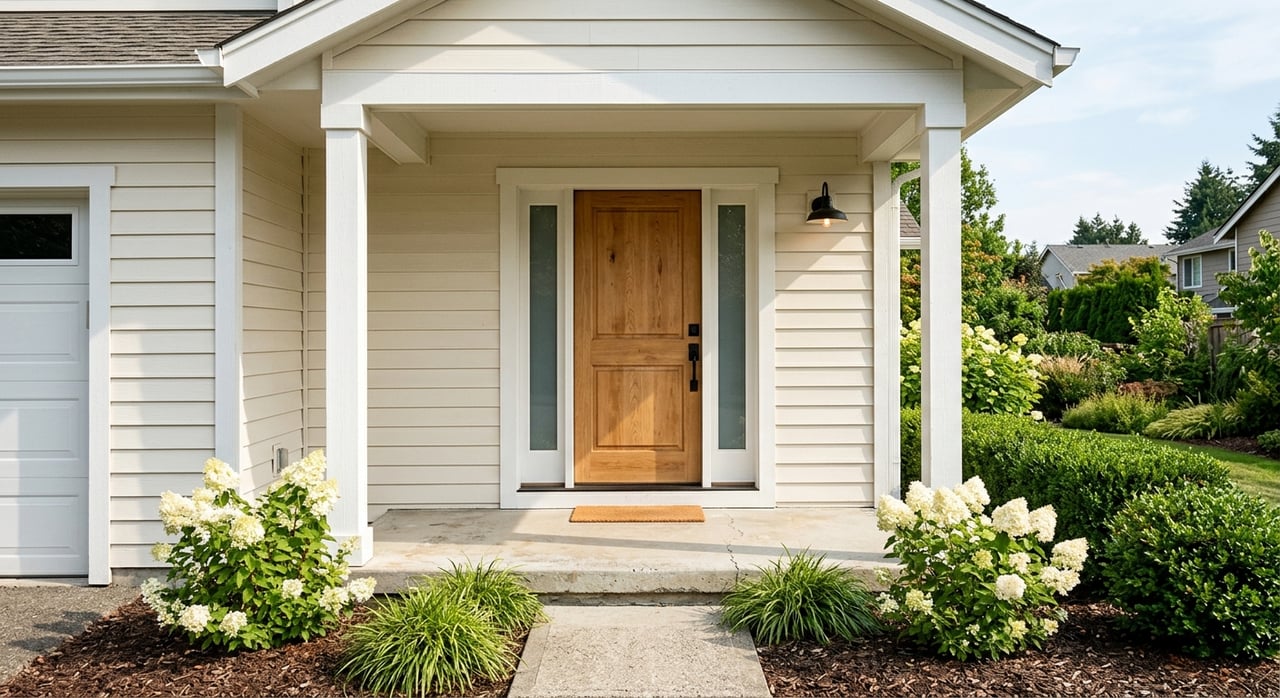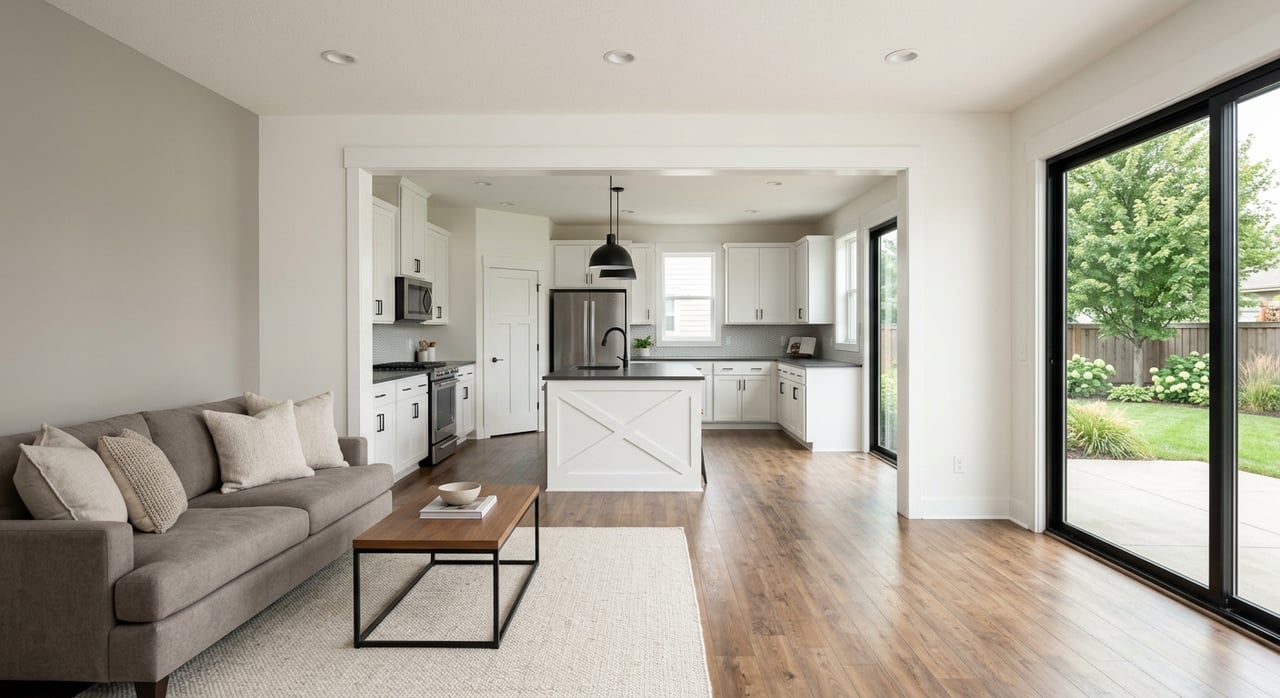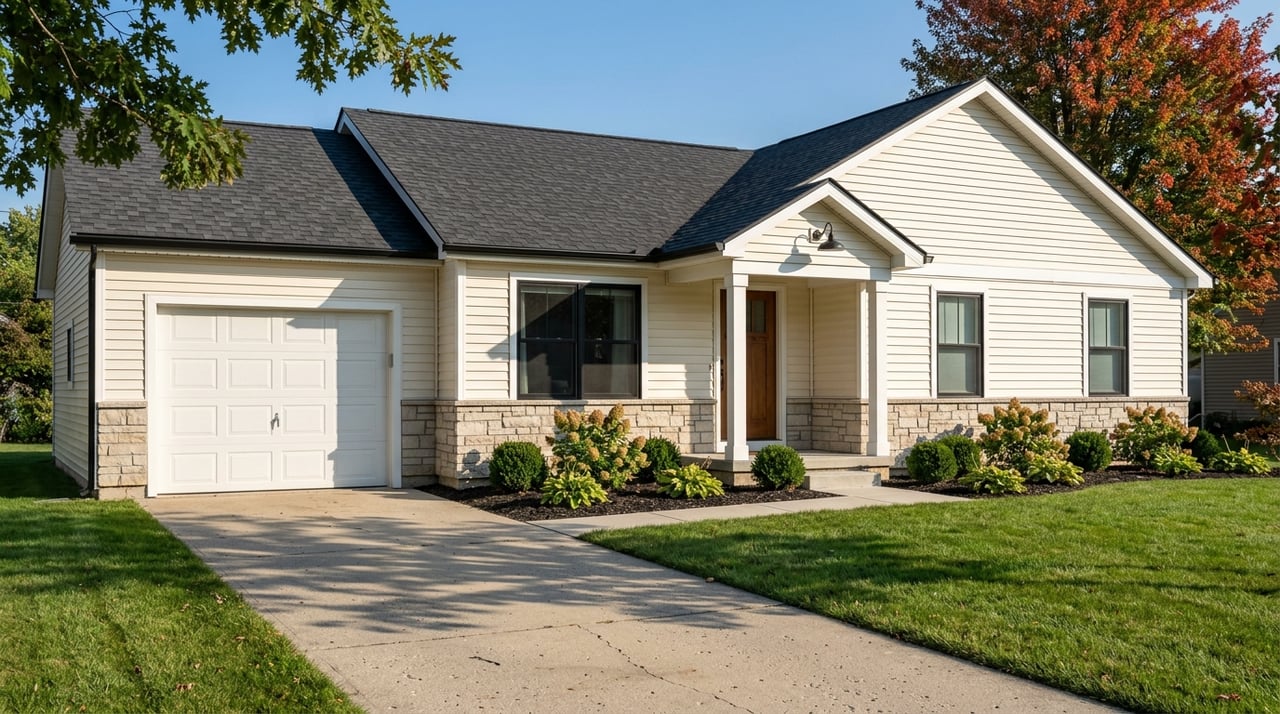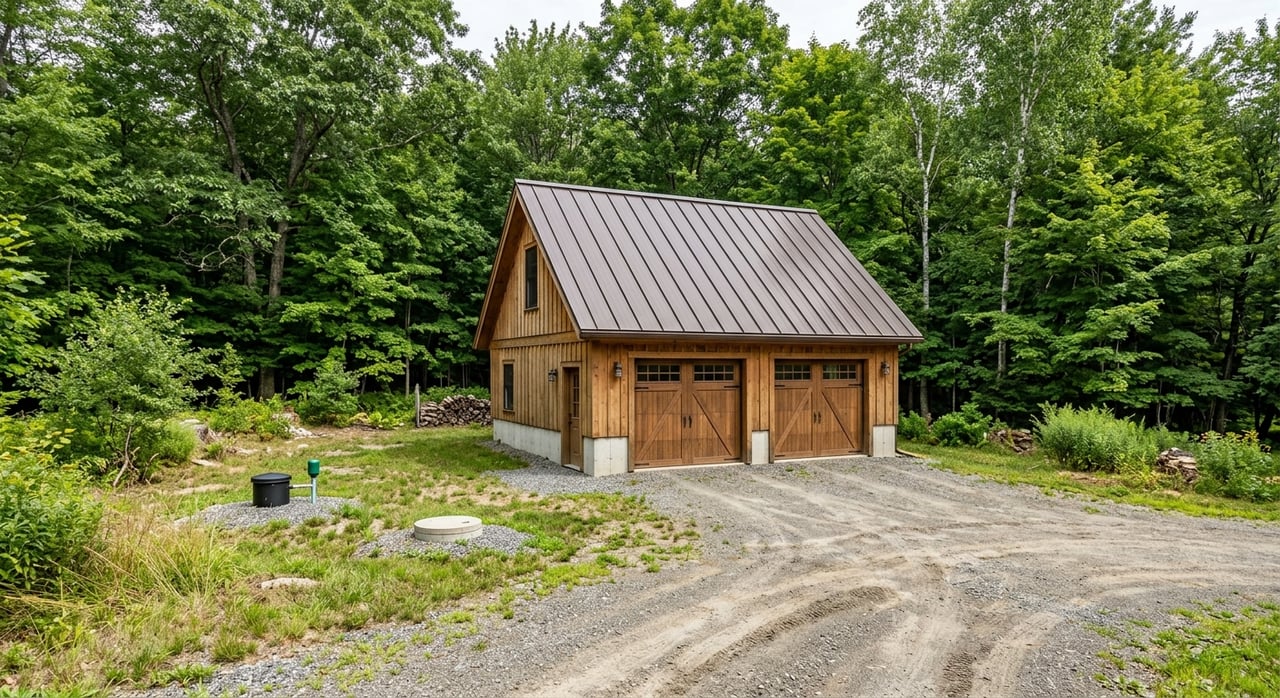
Buying a rural property in Brown County can feel like getting two purchases in one: the home itself and the land, utilities, access, and insurance questions that come with it. If you are looking at a house with a well, septic system, private road, or a few outbuildings, it helps to know that financing and insurance can work differently than they do for an in-town home. The good news is that with the right questions upfront, you can avoid surprises and move forward with more confidence. Let’s dive in.
Why rural financing needs a closer look
A rural Brown County property may be completely financeable, but lenders usually look beyond the house itself. They also review whether the property is clearly residential, has acceptable water and sewer service, and has year-round access that meets loan guidelines.
That matters because many country homes sit on larger lots, use private utilities, or include barns, sheds, or workshops. Those features are common in Brown County, but they can affect which loan programs fit best.
Loan options for Brown County properties
USDA loans for eligible rural homes
USDA Rural Development loans can be a strong option for eligible rural areas, but the property must meet specific standards. USDA guidelines say the home must be owner-occupied, located on a modest site, and served by adequate utilities.
USDA also says the property cannot be primarily income-producing agricultural or commercial property. A storage barn or shed may still be acceptable if it is not mainly used to generate income. USDA properties served by cisterns are not acceptable.
FHA loans for homes with wells and septic
FHA financing can also work for rural homes, but water and sewage conditions matter. HUD requires safe, potable water and acceptable sewage treatment.
For some FHA transactions, well-water testing is required. HUD lists situations that can trigger testing, including new construction, reported deficiencies, nearby contamination sources, unsafe water concerns, or a well located within 100 feet of the septic system.
HUD also sets baseline separation distances for existing construction. These include 10 feet from the property line, 50 feet from the septic tank, and 100 feet from the drain field. For FHA loans, the water sample must be collected and tested by an approved third party, not the borrower.
Conventional loans for rural residential use
Conventional financing backed by Fannie Mae can work on one- to four-unit residential properties in rural areas. The property must be suitable for year-round use, have utilities that meet community standards, and be accessible by roads that meet local standards.
If public water or sewer is not available, private well and septic systems may still be acceptable if they meet community standards. Fannie Mae does not purchase or securitize agricultural properties, vacant land, or properties without acceptable road access.
Brown County checks to make before you offer
Septic permits and site review
In Brown County, the Health Department reviews site evaluations, issues septic permits for repairs or new construction, and inspects septic installations. That makes septic history one of the first things you should verify before you get too far into a purchase.
The county also states that building permits for new homes, bedroom additions, or additional plumbing will not be issued until Environmental Health confirms in writing that the existing or proposed septic system is adequate. If you plan to expand the home later, this is especially important.
Well testing and well work
Indiana says private well water is not regulated by IDEM and the EPA, and the state recommends annual testing of private wells. For buyers, that means you should not assume an older well has been tested recently just because the home has been occupied.
Indiana also notes that some local health departments require permits before construction of a residential water supply well or installation of a well pump. Well drillers must be licensed by the Indiana Department of Natural Resources.
Shared well issues
Shared wells can come up in rural settings, especially when nearby homes use the same water infrastructure. For FHA loans, HUD requires a recorded binding agreement that covers items such as testing rights, corrective action, continuity of service, and easements.
HUD generally limits shared wells to two to four homes. If a listing mentions a shared well, it is smart to review the paperwork early rather than waiting until underwriting.
Driveway and site-plan details
Brown County’s permit checklist expects a site plan showing the septic location, accessory structures, setbacks, driveways, easements, and other layout details. That information can help you understand whether the property matches county records and whether additions were placed correctly.
For new construction on county, state, or town-maintained roads, a driveway permit may also be required. Even on an existing home, access questions are worth confirming early because road issues can affect both financing and insurance.
Access, appraisals, and outbuildings
Road access matters more than buyers expect
Rural buyers often focus on acreage, views, or privacy first. Lenders and appraisers also focus on access.
Fannie Mae says that if a property is on a private road, there must be an adequate, legally enforceable maintenance agreement. A beautiful home can become harder to finance if access is unclear or if the road arrangement is not properly documented.
Site size and residential character
Rural appraisals are often sensitive to site size and how the parcel fits the local market. Fannie Mae says the site size must be typical for the area.
Lenders also want the property to read as residential rather than agricultural. If the parcel looks more like a working farm than a home site, your loan choices may narrow.
Barns, sheds, and workshops
Outbuildings are not automatically a red flag. In fact, small barns, sheds, and similar structures may be acceptable if they are typical for the market and relatively insignificant in value.
The issue is scale and use. Fannie Mae says significant outbuildings such as large barns, silos, storage areas, or facilities for farm-type animals may indicate an agricultural property. USDA takes a similar view and may allow barns used for storage if they are not primarily income-producing.
Permit concerns for added structures
For FHA files, appraisers must report sheds and outbuildings. If a structure was added without permits, Fannie Mae says the appraiser must comment on its quality, appearance, and effect on market value.
In Brown County, that is one more reason to compare what you see on the property with available permit and site-plan information. An unpermitted addition may not kill a deal, but it can create delays or extra questions.
Insurance planning for rural Brown County homes
What a standard homeowners policy may cover
Indiana’s Department of Insurance says homeowners policies generally cover the dwelling, personal property, liability, and other unattached structures such as garages and sheds. Those coverages are often set as percentages of the dwelling limit.
That percentage-based setup matters on rural properties with detached garages, workshops, or storage buildings. You will want to make sure the quote reflects what is actually on the property.
Replacement cost deserves extra attention
Indiana also recommends insuring a home for at least 80% of replacement value and reviewing coverage at least annually. That is especially important in rural areas, where rebuilding costs can be higher than buyers expect even when the purchase price seems reasonable.
A lower purchase price does not always mean a lower rebuild cost. Labor, materials, travel time, and limited nearby services can all affect replacement estimates.
When a farm policy may be needed
Indiana notes that the usual farm operation is not eligible for homeowners insurance. If a property is truly a farm parcel, it may need a farm policy instead of a standard homeowners policy.
This is one reason buyers should be careful with listings that include acreage, barns, or other agricultural features. The property may still be a great fit, but the insurance setup may differ from a typical home purchase.
Flood insurance and floodplain review
Flood is excluded from a typical homeowners policy. FEMA states that federally regulated, supervised, or insured lenders must require flood insurance for buildings in a Special Flood Hazard Area when the loan is federally backed.
In Brown County, it is wise to check flood maps early if the home sits near a creek, low area, or mapped floodplain. The county permit process also flags floodplain and geologic hazard review, which makes this an important early check.
Why rural premiums can be higher
Insurance pricing can also be affected by fire protection and water supply. Indiana’s Department of Insurance says access to the local fire department, hydrants, and water supply are part of homeowners pricing.
That helps explain why two homes with similar square footage can have very different premiums. A more remote location may simply cost more to insure than a similar home closer to town.
Smart questions to ask before you buy
If you are considering a rural Brown County property, these questions can save time and stress:
- Which loan programs fit this specific parcel and acreage?
- Is the road private, and is there a recorded maintenance agreement?
- When were the septic permit, site evaluation, and well test last completed?
- Are the barn, shed, workshop, or other outbuildings used only for residential storage, or do they suggest farm or business use?
- Does the insurance quote include detached structures, liability coverage, and enough replacement-cost coverage?
- Is any part of the parcel in a flood zone or floodplain review area?
How to approach a rural purchase with confidence
The best rural purchases usually start with a little more homework upfront. Before you fall in love with the setting alone, make sure the property’s well, septic, access, outbuildings, and insurance picture all support your financing plan.
That does not mean rural homes are harder to buy across the board. It means the strongest buyers ask better questions early, line up the right professionals, and stay focused on whether the property functions as a residential home under the loan and insurance guidelines that apply.
If you are looking at homes in Brown County and want local guidance on what to watch for, The Nolting Team can help you compare properties, spot potential issues early, and move forward with a clearer plan.
FAQs
What financing works for rural Brown County homes with land?
- USDA, FHA, and conventional financing may all work, but the property usually needs to qualify as a residential home with acceptable utilities, access, and site characteristics.
What should buyers check about septic systems in Brown County?
- You should ask about the septic permit history, site evaluation, and whether the system is considered adequate by Brown County Environmental Health, especially if you may add bedrooms or plumbing later.
What does FHA require for a rural home well?
- FHA requires safe, potable water, and HUD may require well-water testing in certain situations, including new construction, known deficiencies, contamination concerns, or well-to-septic proximity issues.
What can make a rural property look too agricultural for financing?
- Large barns, silos, farm-animal facilities, major storage areas, or other features suggesting income-producing agricultural use can affect whether a lender views the property as residential.
Do Brown County rural homes need special insurance review?
- Yes. You should closely review detached-structure coverage, replacement-cost limits, possible flood insurance needs, and whether the property should be insured under a homeowners policy or a farm policy.
Why does private road access matter for rural Brown County financing?
- Some conventional loan guidelines require an adequate, legally enforceable maintenance agreement for homes on private roads, so access documentation can affect loan approval.