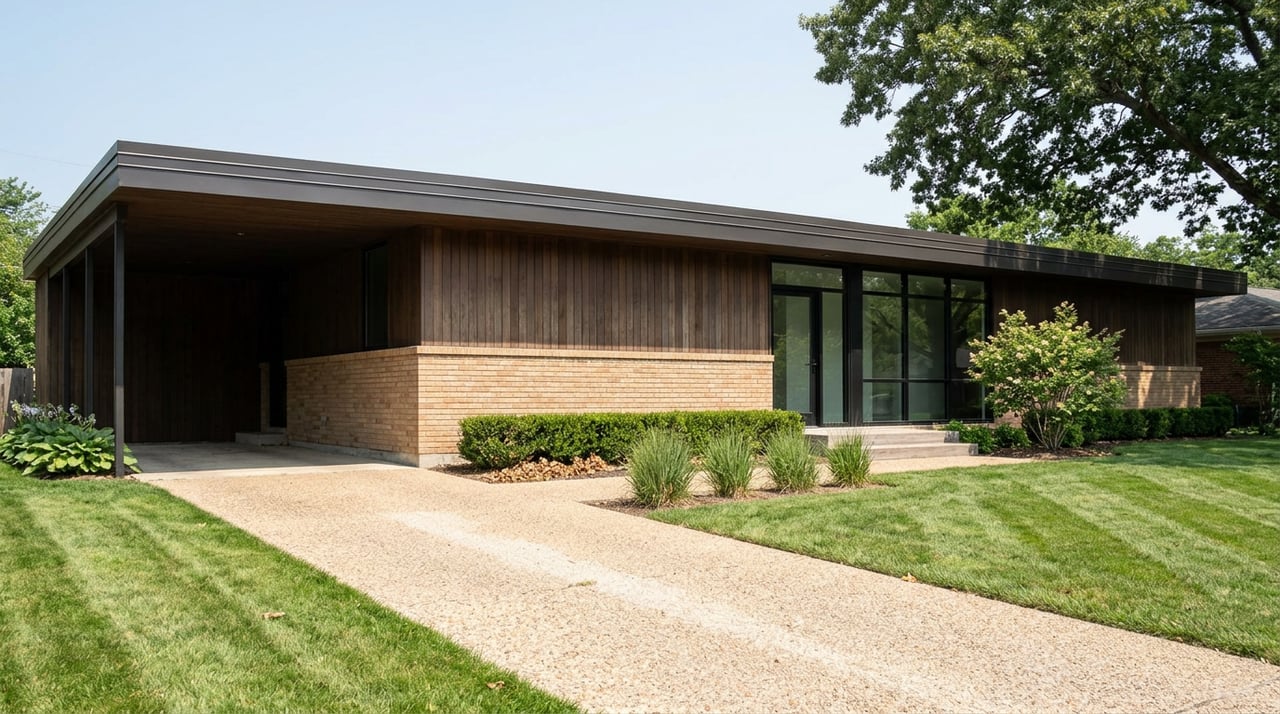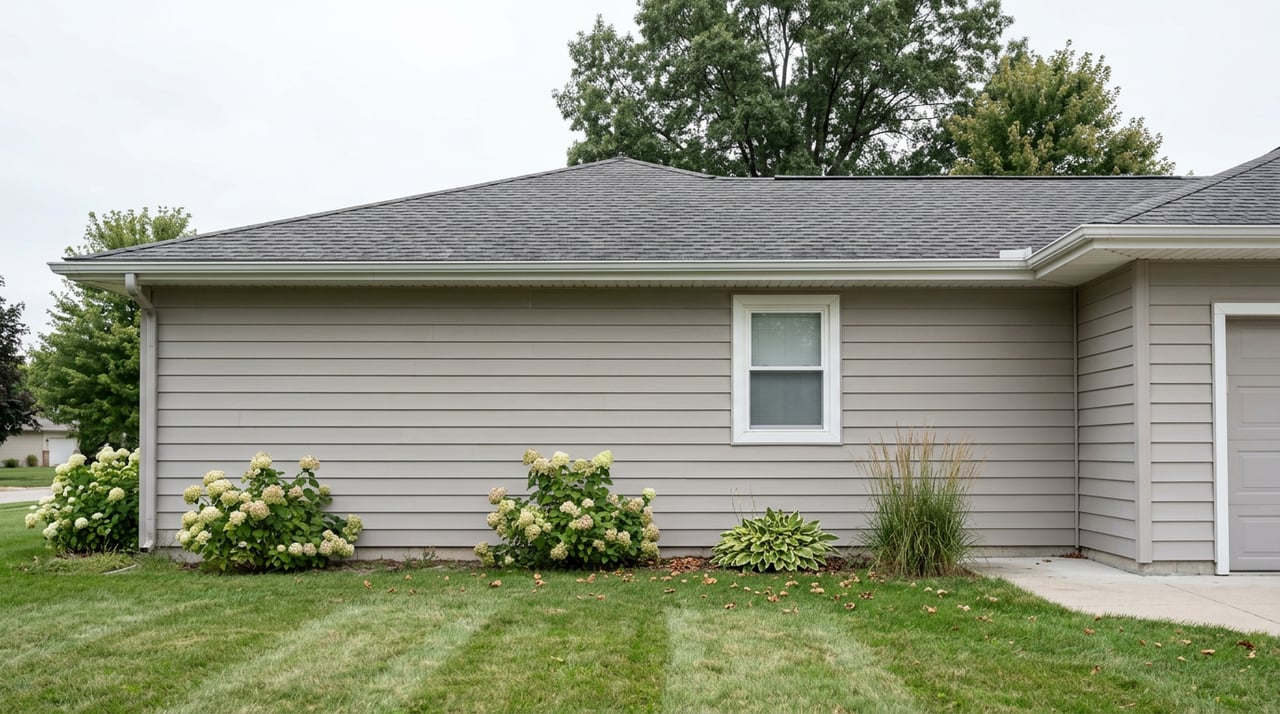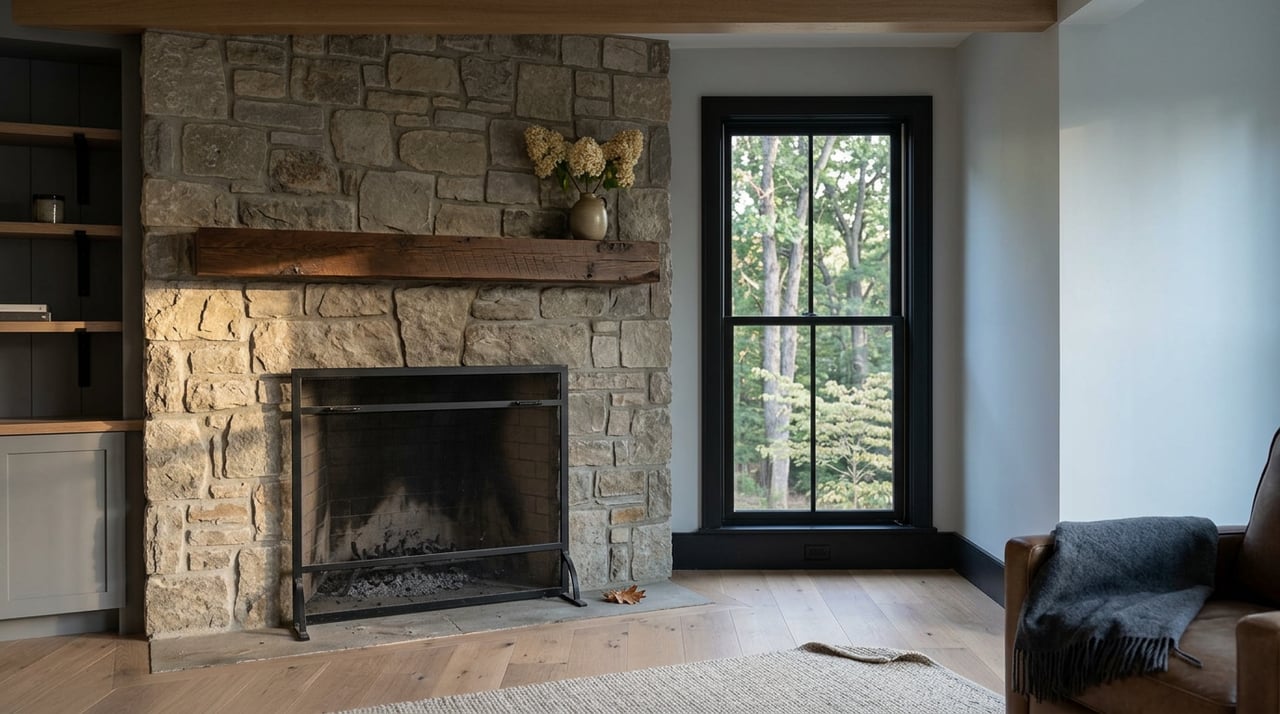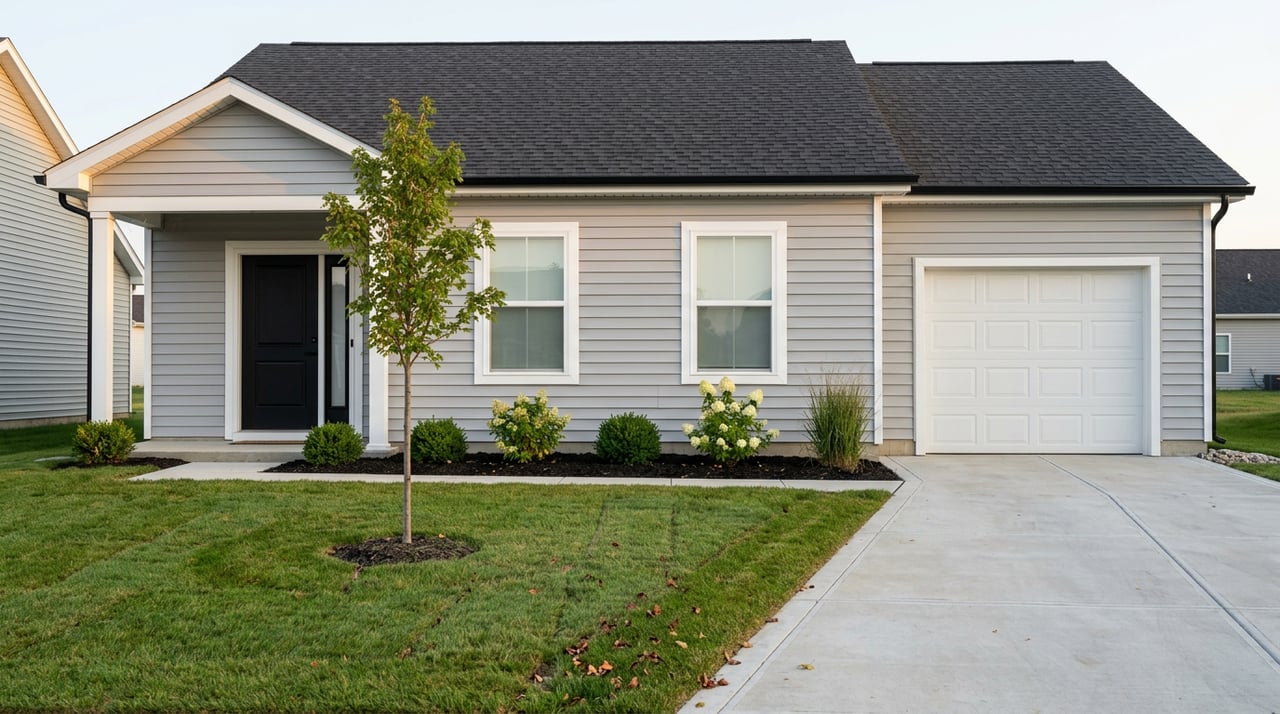
If you are trying to choose between a newer subdivision and an in-town neighborhood in Columbus, you are not alone. Many buyers want to know whether they should prioritize newer homes and more predictable layouts or aim for closer access to downtown, parks, and the city grid. The good news is that Columbus offers both, and each option comes with real advantages depending on how you want to live. Let’s break down the differences so you can search with more confidence.
How Columbus Housing Patterns Differ
In Columbus, the biggest contrast is often between newer subdivision development on the edge of the city and more established in-town neighborhoods closer to the historic grid and downtown core. The city’s Downtown 2030 planning materials describe downtown as a residential neighborhood and note that downtown housing is a relatively new option in Columbus.
Those same planning materials also point to a mix of housing types in the core, including single-family homes, duplexes, townhomes, and multifamily housing. That helps explain why in-town areas may feel more varied, while newer subdivisions often feel more uniform from one street to the next.
The difference also matters from a rules and planning standpoint. Columbus uses formal land-use tools for new development, and private covenants can add another set of rules beyond city zoning. The city’s zoning ordinance makes clear that private covenants are separate private agreements, while the subdivision control ordinance sets the public framework for subdivision approvals.
Newer Subdivisions in Columbus
Newer subdivisions often appeal to buyers who want a more consistent home-shopping experience. You may see more similar lot shapes, newer construction, and a neighborhood layout that was planned all at once rather than built over many decades.
City zoning standards help explain part of that feel. In lower-density single-family districts, minimum lot sizes are 12,000 square feet in RS1 and 10,000 square feet in RS2, with minimum lot widths of 75 feet and 65 feet. These are zoning minimums rather than guaranteed lot sizes, but they help show why some newer areas may feel more spacious and orderly.
For many buyers, the appeal of a subdivision comes down to predictability. Homes may have more similar ages, more similar exterior styles, and fewer surprises when you compare one property to the next. That can make it easier to narrow your options if you know you want newer finishes, a more conventional layout, or a home that may need fewer immediate updates.
What to Expect in a Subdivision
When you focus on newer subdivisions in Columbus, you may be more likely to run into private covenants, dues, architectural controls, or shared-maintenance obligations. The city’s zoning ordinance states that private covenants are not enforced by the Plan Commission, and the planned-unit-development rules say a lot owner’s association may be required to oversee property and maintain common facilities and drainage systems.
That means your decision is not just about the home itself. You also need to understand whether ownership includes private neighborhood rules or ongoing association responsibilities. In practice, newer subdivisions are more likely to have this kind of structure, but it still needs to be verified for each specific property.
In-Town Neighborhoods in Columbus
In-town neighborhoods usually offer a different kind of value. These areas are often closer to the downtown core, the street grid, parks, and walking or biking connections that shape day-to-day convenience.
Columbus planning documents support more infill and a broader mix of housing forms in the core. The city has also been recognized for its infill-development approach. Taken together, those sources suggest that in-town neighborhoods are more likely to include a mix of older homes, remodels, and newer infill rather than a single uniform pattern.
That variety can be a big plus if you want character, location, or a broader range of housing types. It can also mean you need to compare homes more carefully, because one block may offer very different ages, layouts, and update histories.
Why In-Town Areas Feel Different
More urban residential districts in Columbus allow smaller lots than lower-density districts. RS3 has a 7,200-square-foot minimum lot area, and RS4 has a 5,500-square-foot minimum. Again, these are zoning minimums, not a promise of exact lot sizes, but they help explain why in-town parcels can feel tighter and more varied.
That lot pattern often creates a different neighborhood experience. Instead of a single style repeated across many homes, you may find a patchwork of original houses, additions, renovations, and infill construction. For many buyers, that creates more personality and more location advantages, especially if being closer to downtown matters.
Maintenance and Condition Tradeoffs
One of the biggest practical differences between subdivisions and in-town neighborhoods is maintenance expectations. Newer subdivision homes tend to be more standardized in age and condition, while older in-town homes can vary much more depending on when they were built and how they have been updated over time.
That means in-town buyers usually need to pay extra attention during inspections and due diligence. Items such as the roof, major systems, windows, and past renovations may deserve a closer look when a home has been updated in stages over many years. This is a practical inference from the city’s zoning and planning materials, which point to a more varied housing stock in the core.
That does not mean older homes are a worse choice. It simply means that your search should match your comfort level with repairs, updates, and long-term maintenance planning.
Access, Commute, and Daily Convenience
Your daily routine may be the deciding factor more than the house style. Columbus is a fairly compact community, and the city’s Census QuickFacts profile lists a mean travel time to work of 19.4 minutes.
Columbus Transit describes the city as having a primarily grid street pattern. The fixed-route system uses five routes with one-hour headways, and buses leave from the Mill Race Transit Center near downtown. The city also offers Call-a-Bus paratransit service, with service reaching Columbus plus select stops in Taylorsville and Walesboro.
For some buyers, this makes in-town areas especially appealing. Being closer to the grid and downtown can support shorter internal trips and easier access to transit, walking routes, and bike connections.
Road Access on the Edge of Town
Subdivision locations can be attractive for a different reason. The city says the Downtown Entrance Plaza on State Road 46 sees nearly 30,000 vehicles per day, and the State Street corridor plan identifies SR 46 as a major east-west route with connections toward Interstate 65.
If you want more straightforward regional driving access, edge-of-city locations may fit your routine better. If you prefer quicker access to downtown trips, parks, and the city grid, an in-town location may feel more convenient.
Parks, Downtown, and Amenity Access
Amenity access is one area where in-town neighborhoods often stand out. The Downtown 2030 plan aims to make downtown a vibrant residential neighborhood, expand access to Mill Race Park, and diversify downtown offerings.
The East Fork of the White River runs alongside the downtown district and historic Mill Race Park. The city also shows upgraded pedestrian crossings in locations such as Lindsey Street near the park and Brown Street near Cummins. Along with the People Trail and riverfront improvements, that infrastructure helps connect downtown, nearby neighborhoods, and recreation spaces.
For buyers who want easier access to parks, walking routes, and downtown destinations, that can be a major advantage. For buyers who care more about newer construction or a more conventional neighborhood layout, a subdivision may still be the better fit.
How to Decide What Fits You Best
The right choice usually comes down to how you want to live, not which option is better on paper. Columbus gives you two very different search paths, and each can make sense depending on your priorities.
A newer subdivision may be the better fit if you want:
- Newer construction
- More conventional lot shapes
- A more predictable home-shopping experience
- Clearer expectations that private covenants or an association may be part of ownership
An in-town neighborhood may be the better fit if you want:
- A more mixed housing stock
- Closer access to downtown amenities
- Better alignment with Columbus’s grid, transit, and pedestrian improvements
- More variety in home style, age, and setting
No matter which direction you lean, it is smart to verify the recorded plat, zoning district, utility setup, and any HOA or lot-owner association documents before you compare homes side by side. Those details can have a real impact on how a property functions after closing.
If you are weighing Columbus subdivisions against in-town neighborhoods, local context matters. The right home is not just about square footage or year built. It is about how the location, rules, maintenance needs, and day-to-day access fit your life. When you want neighborhood-specific guidance across Columbus, The Nolting Team is here to help you compare your options and move forward with confidence.
FAQs
What is the main difference between Columbus subdivisions and in-town neighborhoods?
- In Columbus, newer subdivisions are typically found closer to the edge of the city and often feel more uniform, while in-town neighborhoods near downtown and the historic grid usually offer a more varied mix of home styles, lot sizes, and housing types.
Do Columbus subdivisions usually have HOA rules or private covenants?
- Some do, and newer subdivisions are more likely to include recorded covenants, dues, architectural controls, or shared-maintenance obligations, so each property should be checked individually.
Are lot sizes different in Columbus subdivisions and in-town neighborhoods?
- They can be, and city zoning helps explain why, with lower-density districts allowing larger minimum lots and more urban residential districts allowing smaller minimum lots that often feel tighter and more varied.
Are in-town Columbus neighborhoods closer to downtown amenities?
- In many cases, yes, because in-town areas are generally better positioned for access to downtown, Mill Race Park, the People Trail, walking and biking connections, and the city street grid.
Should you inspect older in-town homes differently in Columbus?
- Older in-town homes often deserve extra attention to items like roof condition, windows, major systems, and past renovations because the housing stock can vary more in age and update history.
Which Columbus neighborhood type is better for commuting?
- That depends on your routine, since in-town areas may support shorter internal trips and easier access to the grid and transit, while edge-of-city subdivisions may offer more direct driving access to major routes such as State Road 46 and connections toward Interstate 65.