What if one of the most design-forward cities in America also felt easy to live in every day? That is part of what makes Columbus, Indiana, so appealing. If you love architecture, public art, and thoughtful city planning, this city offers more than a weekend tour. It offers a lifestyle shaped by design, and that matters when you are deciding where to buy, sell, or put down roots. Let’s dive in.
Why Columbus Stands Out
Columbus is not known for architecture in a surface-level way. Its design identity is deeply civic, which means architecture, art, and planning are part of daily life, not just something you admire from a distance.
According to official city and tourism materials, Columbus has more than 90 architecture and public art sites. Seven buildings in the city also hold National Historic Landmark recognition. That kind of concentration is rare, especially in a city this size, and it helps explain why Columbus feels distinct the moment you start exploring.
This design legacy is closely tied to the civic vision associated with J. Irwin Miller and the Cummins Foundation. Over time, that vision helped shape a built environment where notable design is woven into schools, civic spaces, houses of worship, downtown buildings, and public gathering places.
Architecture Here Is Part of Everyday Life
One of the most compelling things about living in Columbus is that great design is not tucked away in one district. It appears in places you can actually build into your routine, from downtown stops to public spaces and neighborhood corridors.
The official architecture guide highlights places like the Columbus Area Visitors Center, Miller House and Garden, Bartholomew County Public Library, First Christian Church, The Inn at Irwin Gardens, the Cummins Inc. Irwin Conference Center, The LEX, the Cummins Corporate Office Building, Columbus City Hall, and the AT&T Switching Center. These are not random landmarks. Together, they create a cityscape shaped by architects such as Eliel Saarinen, Eero Saarinen, I.M. Pei, Harry Weese, Kevin Roche, and Deborah Berke.
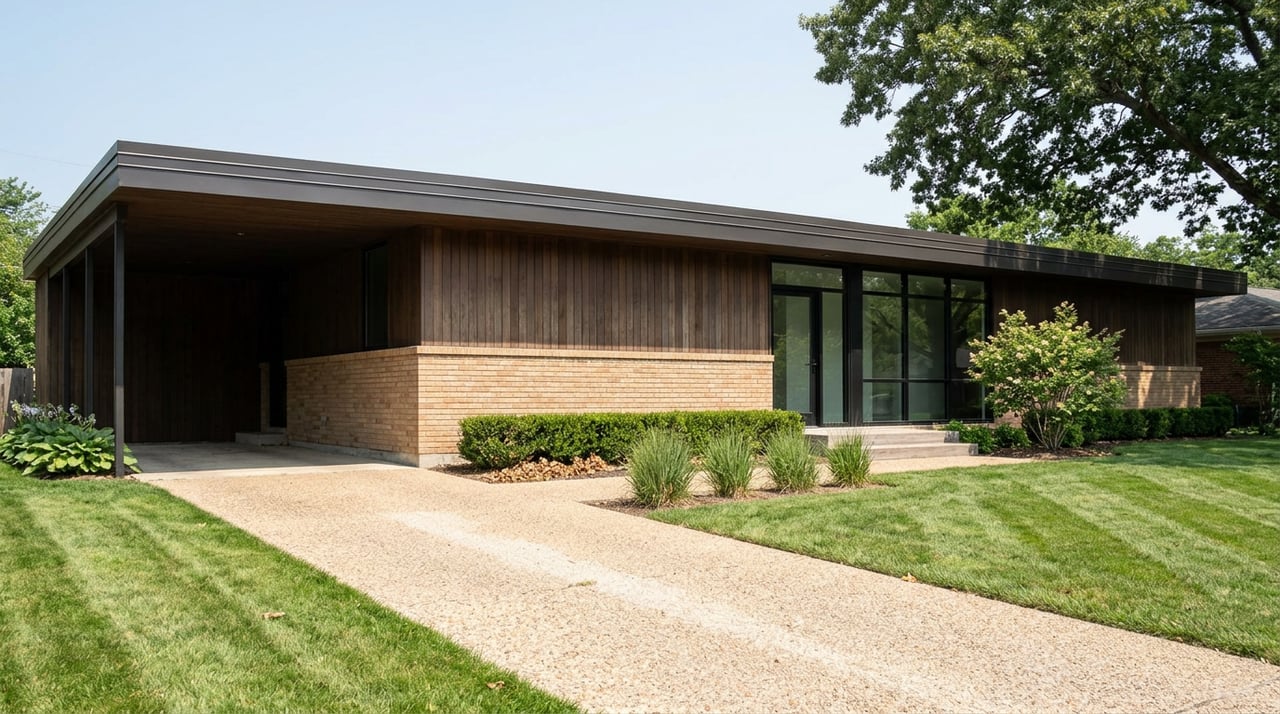
For many architecture lovers, Miller House and Garden is especially meaningful. City materials describe it as one of the most important mid-century modern residences in the country. That gives Columbus an unusual advantage for buyers who want to live in a place where design history feels tangible.
Public Art Is Built Into the Streetscape
In Columbus, architecture does not stand alone. Public art is part of how downtown looks and feels, which adds another layer to daily living.
Official visitor materials describe a strong public art collection and provide a free self-guided downtown public art map. The same materials note that many of the city’s notable buildings and artworks are concentrated downtown and are very walkable to explore.
That matters if you want a city where a short walk can feel visually interesting. Works like Large Arch by Henry Moore, Chaos I by Jean Tinguely, Yellow Neon Chandelier by Dale Chihuly, and other installations are not separated from normal city movement. They are part of the everyday streetscape.
Within three short city blocks, the self-guided downtown tour says you can see the largest Tinguely sculpture and the largest Henry Moore sculpture in the United States. For residents, that means art is not reserved for a special occasion. It becomes part of a lunch break, an evening walk, or a quick trip downtown.
Walkability and Biking Add to the Appeal
If you are trying to picture daily life in Columbus, mobility matters almost as much as architecture. The city’s design culture is easier to enjoy because many of its experiences are accessible on foot or by bike.
The People Trail network runs for more than 30 miles and connects parks, significant modern architecture, and residential areas. The Columbus Area Visitors Center also publishes several biking routes, including downtown architecture loops, a historic architecture ride, North Christian Loop routes, and a 15-mile big loop.
There is also a downtown art and architecture itinerary of about 1.6 miles. That is a helpful reminder that much of the core is manageable and human-scaled, especially for buyers who value a connected downtown experience.
For homeowners, this can shape how a place feels beyond the house itself. A city that supports walking and biking can make it easier to enjoy public space, connect with local destinations, and experience the built environment in a more personal way.
What City Planning Means for Homebuyers
Architecture lovers often want more than a beautiful house. They want to know whether a city is continuing to invest in thoughtful growth. In Columbus, planning documents suggest that the answer is yes.
The Downtown 2030 Plan includes goals such as making downtown a vibrant residential neighborhood, improving access to Mill Race Park, activating historic Washington Street through infill and public-realm programming, and creating an Avenue of the Architects along the 5th Street corridor with residential housing opportunities.
That tells you something important about the future of Columbus. The city is not treating architecture as a finished chapter. It is using planning policy to build a more connected, livable, and residential downtown over time.
The city’s broader planning efforts also include bicycle and pedestrian elements, downtown strategic development, and neighborhood-specific planning. For buyers, that can be a positive sign that growth and mobility are being considered together rather than in isolation.
Columbus Housing Has Range
It is easy to assume that a design-focused city might feel like a showcase rather than a real housing market. Columbus is not that. The local housing picture is much broader and more practical.
According to the city’s 2024 to 2028 Consolidated Plan, the housing stock is mostly single-unit structures, at 71.3%, and 60.2% of homes are owner-occupied. The same report lists a 2024 median house value of $211,700.
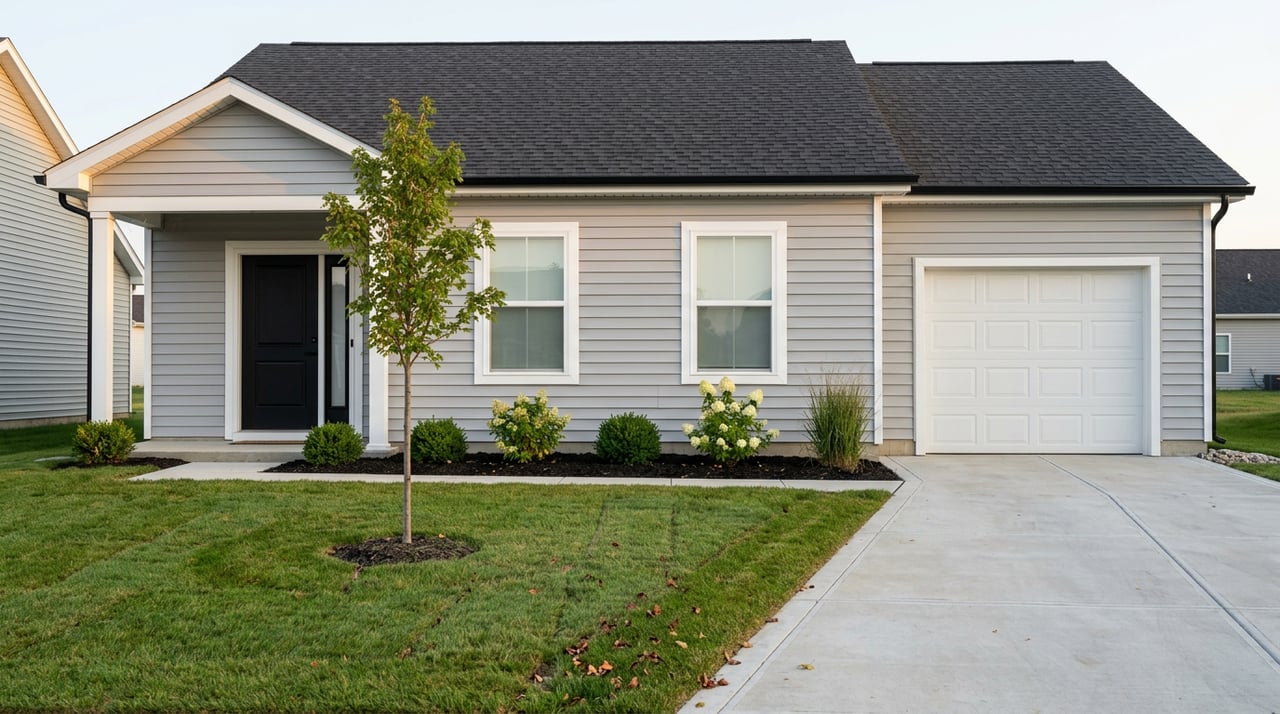
For buyers, that means Columbus still has a strong base of traditional owner-occupied housing. You are not limited to one type of property or one style of living if you want access to the city’s design culture.
At the same time, city planning documents point to a deliberate push for infill and a wider mix of housing options. The Planning Department says its Infill Site Profiles program helped develop 15 of the original 34 sites, producing more than 650 new multifamily units and a $52 million increase in assessed property value.
This is an important part of the story. Columbus is balancing established single-family housing with new residential growth, especially in and near the core.
Infill Growth Shapes the City’s Next Chapter
If you are drawn to cities that evolve thoughtfully, Columbus has a lot to watch. Local planning efforts show that reinvestment is not only about preservation. It is also about making room for new housing in strategic places.
The City View District Plan introduced a development model centered on health and wellness and included diverse housing near work and retail hubs. The Downtown 2030 Plan also points toward a more residential downtown.
The city’s PACT program is aimed at creating low- to moderate-income single-family housing stock on infill lots. While each buyer’s goals are different, this signals that Columbus is actively working to expand housing opportunity rather than relying only on existing inventory.
For architecture-minded buyers and sellers, this adds depth to the market. Columbus offers both legacy design and active reinvestment, which can make the city feel more dynamic and more livable over the long term.
What This Means for Buyers
If you are considering a move to Columbus, your home search can go beyond square footage and finishes. You can also think about how you want to experience the city.
Some buyers may prefer established single-family neighborhoods with easy access to trails, parks, and downtown destinations. Others may be more interested in in-town or near-downtown housing where architecture, public art, and walkable routes are part of everyday life.
It helps to look at a few practical questions:
- How close do you want to be to downtown architecture and public art sites?
- Would access to the People Trail influence where you search?
- Are you drawn to established single-family housing, newer infill opportunities, or a mix of both?
- Do you want a home that supports a more walkable or bike-friendly routine?
When you view Columbus through that lens, the city becomes easier to understand. It is not just a place with famous buildings. It is a place where design can shape your daily rhythm.
What This Means for Sellers
If you are selling in Columbus, the city’s design reputation can help frame your home within a larger lifestyle story. That does not mean every listing is an architecture landmark. It means buyers may already be attracted to Columbus because of its character, planning, and sense of place.
That broader appeal can matter when marketing a property. Proximity to downtown, trails, parks, civic spaces, or established residential areas may all be part of how buyers understand value and fit.
A strong pricing and marketing strategy should reflect both the home itself and the lifestyle context around it. In a market like Columbus, neighborhood-specific guidance can be especially useful because buyers often care about how a home connects to the city’s design-forward identity.
Why Local Guidance Matters
Columbus offers a housing story that is more layered than many buyers expect. You have established single-family inventory, owner-occupied neighborhoods, public art woven into downtown, long trail connections, and ongoing infill growth supported by city planning.
That combination can be exciting, but it also means your search or sale benefits from local context. The right guidance can help you sort through location, lifestyle priorities, resale considerations, and the types of opportunities that fit your goals.
Whether you are relocating, buying your first home, moving across town, or preparing to sell, it helps to work with a team that understands how Columbus functions block by block and neighborhood by neighborhood. If you are ready to explore what living in Columbus could look like for you, connect with The Nolting Team.
FAQs
Why is Columbus, Indiana known for architecture?
- Columbus is known for its unusually strong concentration of modern architecture and public art, with more than 90 sites highlighted by official city and tourism materials and seven buildings recognized as National Historic Landmarks.
Can you walk to architecture sites in downtown Columbus, Indiana?
- Yes. Official visitor materials say many notable downtown architecture and public art sites are very walkable, and one downtown art and architecture itinerary is about 1.6 miles.
Does Columbus, Indiana have bike trails and walking paths?
- Yes. The People Trail network runs for more than 30 miles and connects parks, residential areas, and major architecture sites throughout the city.
What is the housing market like in Columbus, Indiana?
- City housing data shows Columbus has a housing stock that is mostly single-unit structures at 71.3%, with 60.2% owner-occupied homes and a 2024 median house value of $211,700.
Is downtown Columbus, Indiana becoming more residential?
- City planning documents indicate yes. The Downtown 2030 Plan includes goals focused on creating a more vibrant residential downtown, adding housing opportunities, and improving connections to public spaces.
Are there new housing and infill opportunities in Columbus, Indiana?
- Yes. City planning materials describe infill development efforts that have added more than 650 new multifamily units, along with programs aimed at increasing single-family housing on infill lots.