Buying a home in Seymour often comes down to one big question: do you want the clean slate of something newer, or the character of a home with history? If you are weighing both options, you are not alone. In a market with a strong base of older housing and a practical price point, the right choice usually depends less on trends and more on how you want to live, maintain, and budget for your home over time. Let’s dive in.
Seymour Housing Gives You Both Paths
Seymour offers a mix that can make this decision feel very personal. Jackson County’s housing stock is heavily made up of one-unit detached homes, with 82.5% of occupied units in that category. That means many buyers here are comparing single-family homes with very different ages, styles, and upkeep needs.
Older homes are especially common in this area. The county housing plan says more than half of homes were built before 1979, and 30.3% were built in 1939 or earlier. Seymour also has a historic downtown identity, and local planning materials describe the district as being shaped by strong historical architecture.
That local context matters because your decision is not just about square footage or finishes. It is also about whether you want lower near-term surprises or a home that may offer more character and room for gradual updates.
Why New Homes Appeal to Buyers
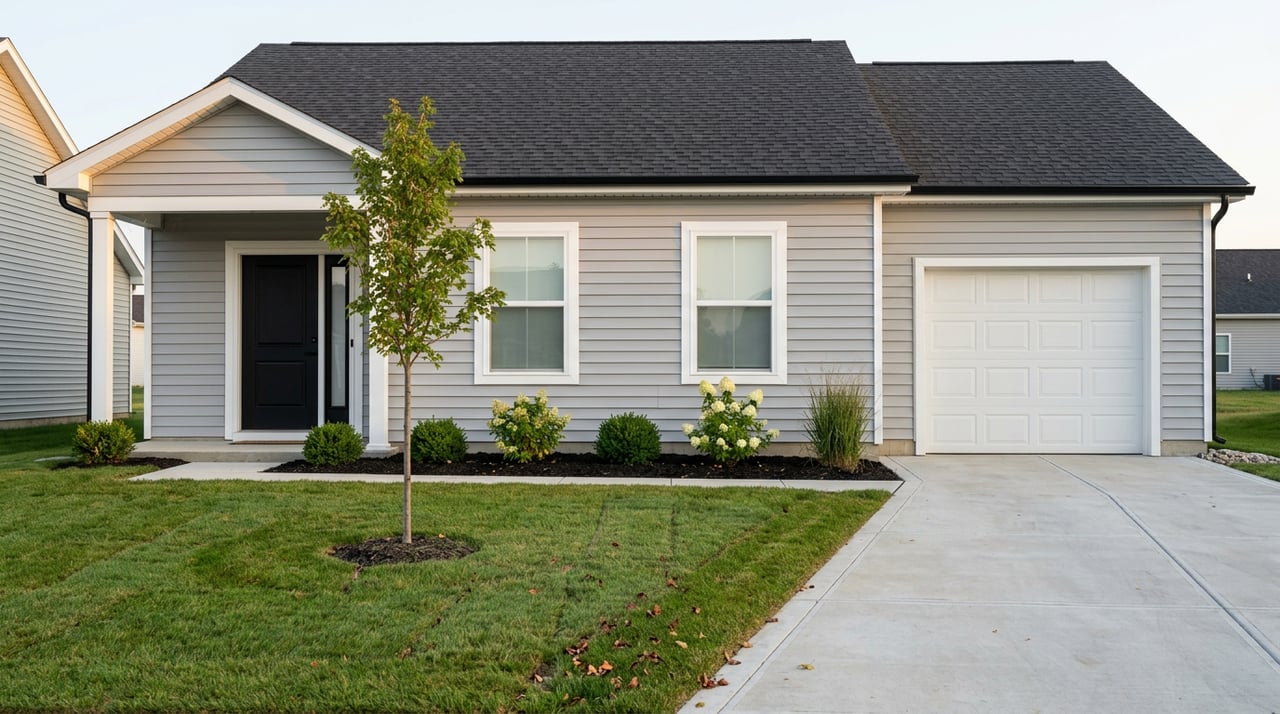
If you want more predictability, a newer home may check a lot of boxes. New construction often appeals to buyers who want fewer immediate repair concerns and a more efficient starting point.
One major benefit is warranty coverage. The FTC says most newly built homes come with a builder warranty, and those warranties commonly cover workmanship and materials for one year, HVAC, plumbing, and electrical systems for two years, and major structural defects for up to 10 years.
That does not mean every builder warranty is identical. It does mean you should read the coverage closely and ask exactly what is included, what is excluded, and how claims are handled.
New Homes Often Start More Efficiently
Energy use is another reason buyers lean toward newer homes. ENERGY STAR certified homes and apartments are designed to exceed minimum energy code requirements by at least 10%, with independent verification for insulation, windows, air sealing, and HVAC quality.
The U.S. Energy Information Administration found that newer homes used 21% less energy for space heating on average than older homes. In practical terms, that can support lower utility use and a more comfortable baseline, especially during heating season.
Even so, newer does not mean perfect. The Department of Energy notes that recently constructed homes can still have energy-saving opportunities, so it is smart to review insulation, air sealing, HVAC quality, and included features before you buy.
New Homes Can Mean Fewer Early Projects
For many buyers, the biggest draw is simple: fewer to-do list items right away. If you are moving on a tight schedule, managing a busy household, or just want a more turnkey experience, a newer property may help reduce the number of immediate decisions after closing.
That can be especially helpful if you want to focus on settling in rather than budgeting for a roof, HVAC updates, or insulation work in the first few years.
Why Older Homes Stand Out in Seymour
Older homes are not a niche option in Seymour. They are a major part of the local housing landscape, and for many buyers, that is exactly the appeal.
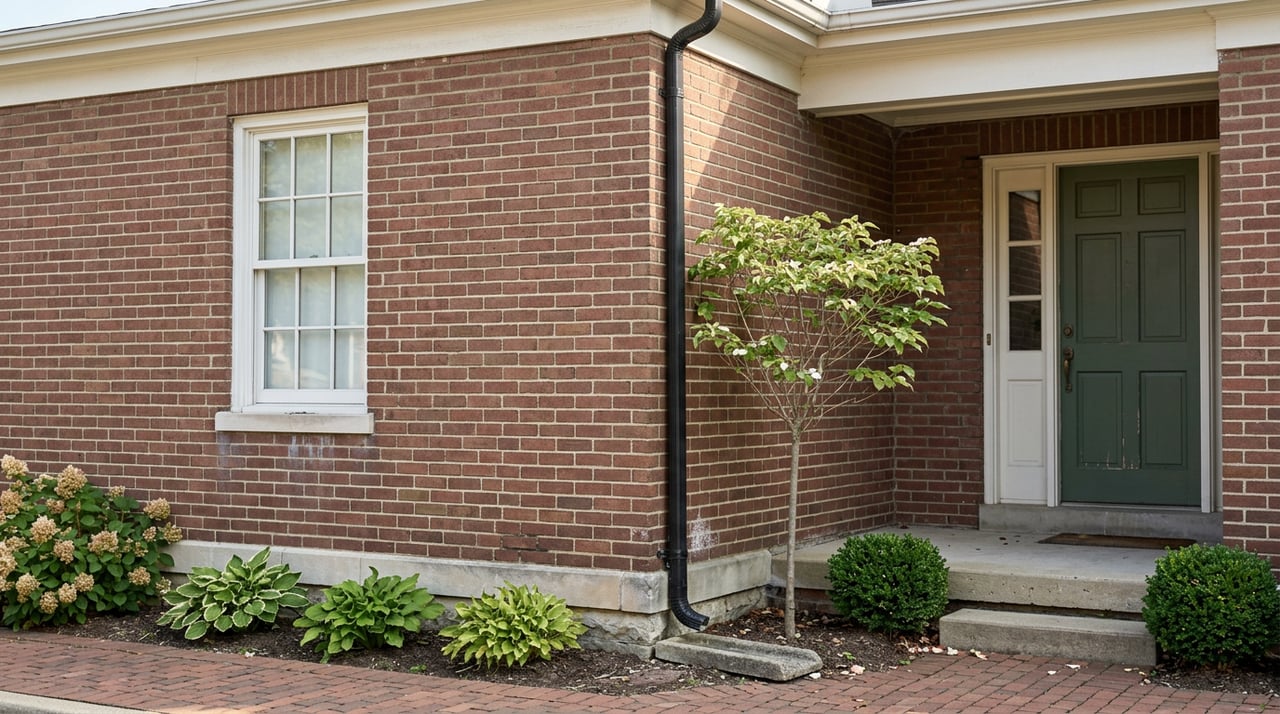
If you are drawn to a more established feel, mature surroundings, or architecture that reflects the city’s historic character, an older home may offer something a newer property cannot easily replicate. In Seymour, that character is part of the community backdrop, especially around downtown.
Older homes can also give you flexibility. Instead of paying for every update upfront in the purchase price, you may choose a home where you can improve features over time based on your budget and priorities.
Older Homes May Need More Evaluation
The tradeoff is that older homes usually require a closer look. The Department of Energy says older homes may have inadequate insulation and recommends a home energy assessment as the first step in identifying where a house is losing energy and which upgrades should come first.
That does not mean an older home is automatically inefficient. It means you should go in with a plan to understand the home’s current condition, especially around insulation, air sealing, and major systems.
Warranty Coverage Works Differently
This is an important point for Seymour buyers comparing older and newer homes. A builder warranty is not the same thing as a home warranty.
The FTC says a home warranty is a separate paid service contract, typically used with existing homes. If you are considering an older property and want extra protection, ask what is included, what service limits apply, and whether the coverage matches the age and condition of the home’s systems.
Compare Total Ownership Cost
In Seymour, price matters, but total ownership cost matters more. The median value of owner-occupied housing units in Seymour was $162,800 in the 2020 to 2024 American Community Survey period, which is a good reminder that affordability is not just about the purchase price.
A lower list price on an older home may come with future spending on insulation, HVAC, roofing, plumbing, or electrical updates. A higher price on a newer home may bring fewer near-term repairs, potentially better efficiency, and clearer warranty coverage.
When you compare homes, look beyond the monthly payment. Think about what you may spend over the first one to five years of ownership.
Questions to Ask on Any Home
A practical comparison gets easier when you ask the same questions on every property:
- What does the warranty cover, if any?
- How old are the roof, HVAC, plumbing, and electrical systems?
- Does the home appear to need insulation or air-sealing work?
- Have you scheduled an independent inspection?
- Would a professional energy assessment help you understand likely upgrades?
- Is the lot size, yard layout, and setback situation right for how you want to use the property?
That last point matters because lot size should be treated separately from the age of the home. A newer home is not always on a larger lot, and an older home is not always easier to expand or rework.
Inspections Matter for Both Options
A common mistake is assuming only older homes need close inspection. In reality, both older homes and new construction deserve careful review.
The Consumer Financial Protection Bureau advises scheduling an independent inspection as soon as possible. That inspection can uncover major repairs or concerns early enough for you to renegotiate or cancel under a contingent contract.
Yes, New Homes Still Need Inspections
Even if a home is newly built, you should still schedule an independent inspection. New systems and finishes can still have issues, and it is better to identify them before closing rather than after move-in.
If possible, attend the inspection. Seeing the home through a professional’s eyes can help you understand maintenance needs, construction quality, and what to monitor over time.
A Simple Way to Choose in Seymour
If you are still torn, use this local rule of thumb. Choose new construction if you value lower immediate maintenance, clearer warranty coverage, and a more efficient baseline.
Choose an older home if you value historic character, a more established feel, and the ability to update the home gradually. In Seymour, that is often the real decision because both paths can make sense depending on your goals.
Best Fit for New Construction
Newer homes may be a stronger fit if you want:
- More predictable near-term maintenance
- Builder warranty coverage
- A more efficient starting point
- Fewer immediate home projects after closing
Best Fit for Older Homes
Older homes may be a stronger fit if you want:
- Historic or classic character
- An established setting
- Flexibility to renovate over time
- A chance to prioritize updates based on budget
The Local Bottom Line
Seymour gives you real choices, not just different versions of the same home. With a strong supply of older housing, a historic downtown identity, and a single-family-heavy market, buyers here often succeed by matching the home’s age and condition to their lifestyle, not just their wish list.
If you want confidence in your decision, compare each property through the same lens: maintenance, efficiency, warranty coverage, inspection findings, and total cost over time. When you do that, the right answer usually becomes much clearer.
Whether you are drawn to a newer build or a home with history, The Nolting Team can help you compare your options in Seymour and move forward with confidence.
FAQs
Should you buy a new or older home in Seymour, IN?
- The better choice depends on what you value most. New homes often offer lower immediate maintenance and clearer warranty coverage, while older homes often offer more character, an established feel, and room to update over time.
Do new homes in Seymour still need a home inspection?
- Yes. The Consumer Financial Protection Bureau advises buyers to schedule an independent inspection as soon as possible, even for newly built homes.
Are older homes in Seymour always less energy efficient?
- No. Older homes are not automatically inefficient, but the Department of Energy says they may have inadequate insulation, so a home energy assessment can help identify needed improvements.
Is a builder warranty the same as a home warranty in Seymour?
- No. The FTC says a builder warranty is different from a home warranty, which is a separate paid service contract typically used with existing homes.
What should Seymour buyers compare besides list price?
- You should compare total ownership cost, including likely maintenance, energy performance, warranty coverage, inspection findings, and the age of major systems like the roof and HVAC.
Why are older homes so common in the Seymour area?
- Jackson County has an older housing base, with more than half of homes built before 1979 and 30.3% built in 1939 or earlier, so older homes are a normal part of the local market.