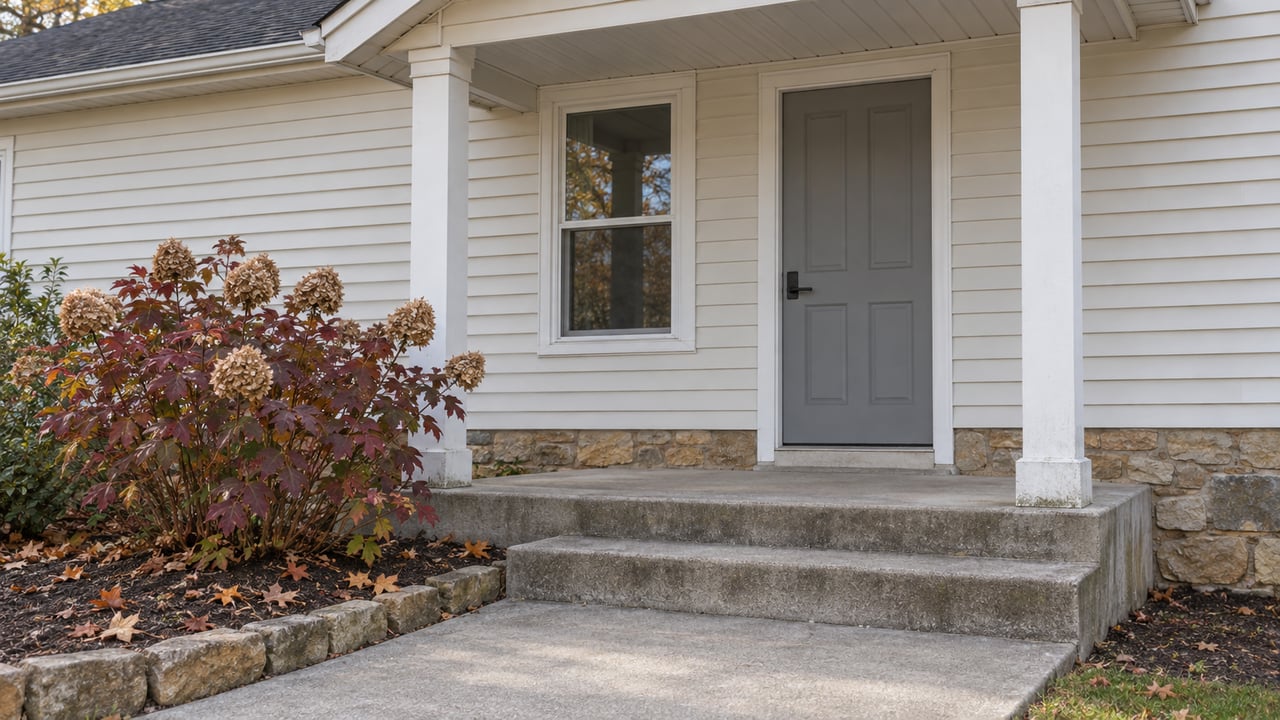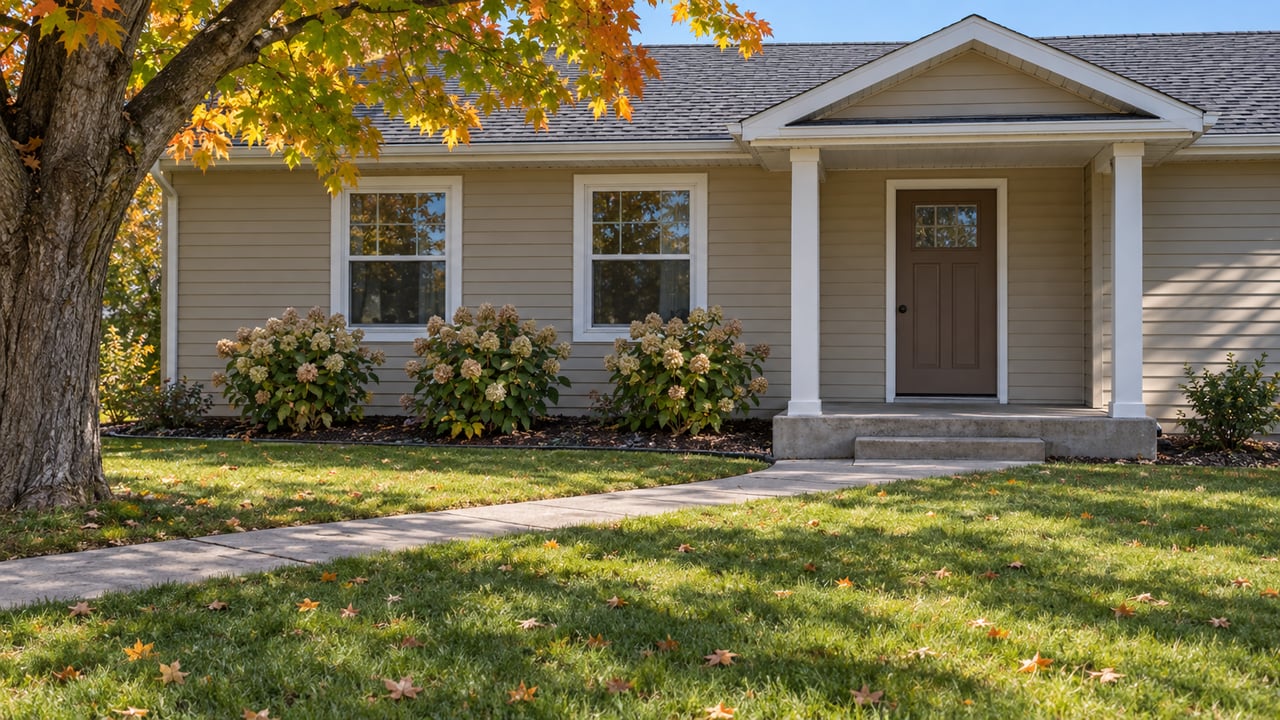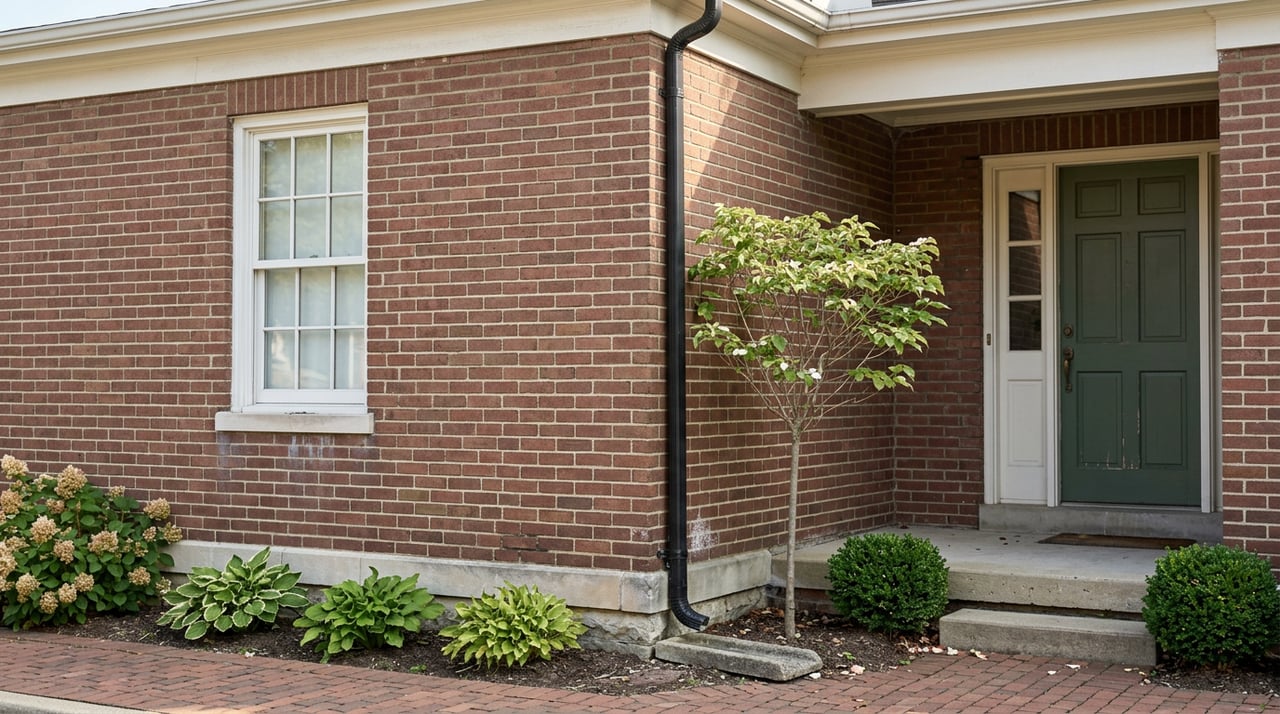
The house shows beautifully. Brick or stone, built well before anyone alive today, sitting inside the boundary of a National Register district that Visit Indiana says has been listed since 1983. You walk through it, you picture your furniture in it, and you write an offer. Then the file lands on an underwriter's desk, and the conversation stops being about the house you fell for and starts being about the wiring behind the plaster and the two other sales an appraiser can find to compare it to.
That second conversation is the one nobody walks you through at the showing. It is also the one that decides whether the deal closes on schedule, closes late, or does not close at all. If you are looking seriously at a home inside Oldenburg's historic core, the charm was never in question. The mechanics are what deserve your attention now.
The Wiring Decides the Timeline, Not the Inspection
Most buyers assume the home inspection is the hurdle. In a district built up through the 1800s, the bigger hurdle usually shows up after the inspection, when your insurance agent asks about the electrical system.
Knob-and-tube wiring, the porcelain-knob-and-tube method standard in American homes from the 1880s through the 1940s, is common in village-core construction of Oldenburg's age. It is not inherently dangerous when properly maintained, but most insurers now treat it as an unacceptable risk on its own terms. Some carriers surcharge the premium, some require replacement within a set window as a condition of coverage, and a growing number decline to write the policy at all.
The workaround that keeps deals moving is a surplus-lines binder: coverage that starts on day one, tied to a contractual promise to complete a rewire within 90 days to 12 months. It puts a clock on your calendar the moment you sign. Miss that window and the consequences are not gentle. An insurer can cancel the policy and notify the lender, which puts the mortgage itself at risk.
A full rewire in a home this age typically runs $8,000 to $25,000, depending on wall access, panel condition, and how much of the original plaster has to come down to reach it. That is not a number to discover after your financing contingency has expired. It is a number to get from a licensed electrician during your inspection period, while you still have the leverage to ask the seller to credit part of it toward closing.
A Two-Listing Market Makes the Appraisal the Real Negotiation
Insurance is the first friction point. The appraisal is the second, and in Oldenburg it is arguably the harder one to plan around.
The village has a small footprint by design. As of early August 2026, active for-sale inventory in the town sits at just two listings. That is not a slow month, that is close to the normal state of a place with roughly 647 residents and a housing stock that rarely turns over. When an appraiser needs three to six comparable recent sales to support a value, a two-listing market forces them outside the district, into homes that share none of the construction, lot size, or historic-review requirements that define a Main Street or Pearl Street property.
The two most recent closed sales recorded in the village illustrate exactly how unstable that math gets:
| Address | Beds / Baths | Square Feet | Sale Price | Price per Sq Ft |
|---|---|---|---|---|
| Hilltop Road | 3 / 1 | 1,312 | $300,000 | $229 |
| Main Street | 4 / 2 | 2,434 | $255,000 | $105 |
Two homes, blocks apart, closed within roughly the same stretch of time, and their price per square foot differs by more than double. That gap is not a data error. It is what happens when condition, lot depth, and how much original material survives inside each house carry more weight than square footage, because there simply are not enough transactions to average the noise out.
This is the scenario where lenders flag a property as unique, which sounds like a compliment until you realize what it means for financing. So-called unique properties can be difficult to appraise because there are fewer comps to compare it to, which does not automatically mean higher or lower value, just harder to assign one with confidence. A low appraisal in a thin market is not a sign you overpaid. It is a sign the appraiser had thin material to work with, and that is a fight you can often win with the right documentation, but only if you know to expect it before the report lands.
A rewire is not a renovation you choose. It is a renovation the insurer schedules for you, on a deadline you did not set. Plan the budget before you plan the paint colors.
The State Credit That Can Offset What Insurance Just Cost You
There is a real financial lever available to owner-occupants that most buyers never ask about until it is too late to use it well: Indiana's residential Historic Rehabilitation Tax Credit, administered by the Department of Natural Resources.
The program requires a handful of specific conditions:
- The property must be individually listed in the Indiana Register of Historic Sites and Structures, or be a contributing resource within a listed district
- The rehabilitation work must comply with the Secretary of the Interior's Standards for the Rehabilitation of Historic Properties
- Work must be completed within two years, or five years if the application shows a phased timeline
- The home must be the taxpayer's primary residence, not a rental or investment property
- Qualified rehabilitation expenditures must exceed $10,000 before any credit applies
The credit itself is capped at the lesser of $10,000 or 20 percent of your qualified expenditures. It will not cover a full rewire on its own, but paired with a seller credit negotiated during your inspection period, it can meaningfully close the gap between what the insurer requires and what you actually pay out of pocket in year one.
Before You Write the Offer
If you are seriously considering a home in the district, do these things in this order, not after you are already under contract:
- Ask the listing agent whether the home retains any original knob-and-tube wiring, and get that answer in writing before your inspection contingency deadline
- Call an independent insurance agent, not just the carrier the seller currently uses, and ask what a surplus-lines binder would cost and what rewire window it would require
- Request a written estimate from a licensed electrician during your inspection period, so you have a real number to negotiate with rather than a guess
- Ask your lender directly whether the appraiser has recent comps inside the historic district, or whether the file is likely to be flagged as unique
- If you plan to rehab, contact the Indiana DNR historic preservation office before closing to confirm the property's status on the state register and start the paperwork trail early
Quick Answers for Buyers Already Under Contract
Does the National Register listing restrict what I can do to the house? Federal listing alone does not impose renovation restrictions. Restrictions typically come from local historic preservation ordinances, not the National Register designation itself. Check with the town before assuming either way.
Can I still get a conventional loan on a home with knob-and-tube wiring? Usually yes, but insurance is the gate, not the loan itself.
What do I do if the appraisal comes in low? Ask your agent to request a reconsideration of value with additional comps, including any recent sales the appraiser may have missed outside the standard search radius. In a market this thin, a documented case with real comparable data has a real chance of moving the number.
The village's charm is not the part that needs an expert. The wiring timeline, the comp math, and the state credit paperwork are. If you are looking at a home inside Oldenburg's historic district, or trying to decide whether one is worth the extra planning it takes, Hillary Maple | The Nolting Team has walked local buyers through exactly this sequence before. Reach out before you write the offer, not after the appraisal comes back.
This article is general information, not legal, tax or financial advice. Consult a qualified professional about your situation.