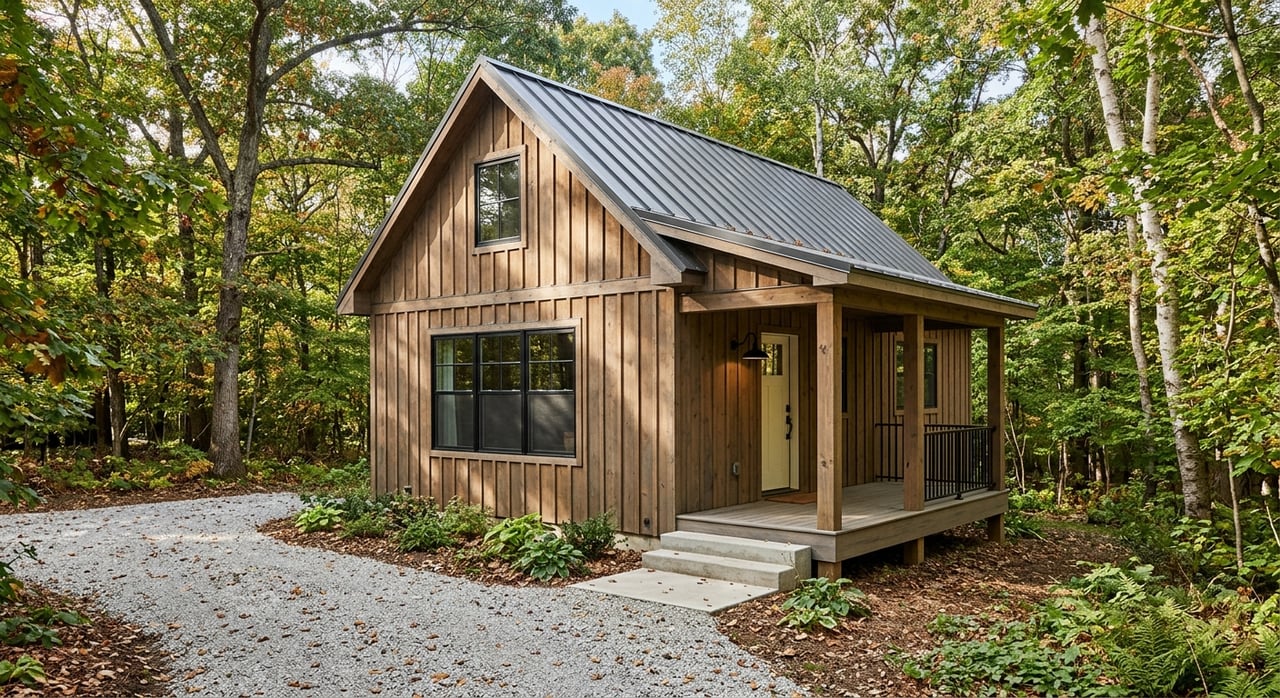
Dreaming about a place where you can trade traffic for tree cover and weekend chores for trail time? Owning a cabin or retreat home in Brown County can offer that change of pace, but it also comes with decisions that are very different from buying a house in town. If you are thinking about a wooded getaway, a second home, or a property with future rental potential, this guide will help you understand what matters most before you buy. Let’s dive in.
Why Brown County Appeals to Cabin Buyers
Brown County stands out because it offers a true retreat feel without losing its year-round draw. According to Indiana DNR, Brown County State Park covers nearly 16,000 acres of rugged hills, ridges, and ravines, with hiking, mountain biking, horse trails, camping, scenic overlooks, and lodge cabins that support the area’s outdoor identity.
That natural setting shapes the private home market too. Many buyers are drawn to wooded homes, older cottages, and higher-end retreat properties that offer privacy, access to recreation, and a strong sense of place. Nashville adds another layer with shopping, dining, arts and crafts, history, and entertainment that make the area feel active in every season.
For many buyers, this is not just about square footage. It is about owning a lifestyle asset where scenery, quiet, and outdoor access play a big role in value. That makes Brown County especially attractive if you want a second home that feels meaningfully different from your everyday routine.
What the Brown County Market Looks Like
Recent market snapshots suggest that prices in Brown County can vary widely. Redfin reported a March 2026 median sale price of $450,000 and median days on market of 147, while Realtor.com reported a median list price of $455.9K, 144 homes for sale, and a median of 78 days on market.
The spread in recent sold prices is also important. Sales ranged from about $185,000 to $890,000, which shows how much price can shift based on condition, acreage, access, and location relative to Nashville and the area’s recreation hubs.
That range is helpful if you are trying to set realistic expectations. A simple rustic cabin, an older cottage needing updates, and a more polished retreat on acreage may all fall into very different pricing categories. In Brown County, the land and setting often matter just as much as the house itself.
What Types of Properties You May Find
Most cabin buyers in Brown County are not buying the public cabins at Brown County State Park. Those are park-managed lodging options, not private ownership opportunities.
Instead, you are more likely to see a mix of single-family homes in wooded settings, older small homes used as weekend getaways, and larger retreat-style properties. Some feel very rustic, while others offer updated finishes and space for longer stays or full-time living.
This mix is part of what makes the search interesting. It also means you should look closely at how each property fits your actual goals, whether that is a quiet personal escape, a future primary home, or a property you may want to hold for occasional rental use if local rules allow it.
Start With How You Plan to Use It
Before you fall in love with the view, get clear on your intended use. That one decision affects zoning questions, tax expectations, upkeep planning, and whether a property makes sense for your budget over time.
If you want a pure second home, your checklist may focus on privacy, access, maintenance, and comfort for seasonal use. If you hope to rent it out, local use rules become a major part of the decision. If you may build, expand, or renovate, you will need to think carefully about permits, septic, and driveway access.
A Brown County retreat can be a great fit, but only when the property supports the way you actually want to own it.
Brown County Rules to Check Before You Buy
Confirm zoning early
One of the most important facts in Brown County is that zoning maps are not posted online. The county instructs buyers to call or email the planning office to confirm zoning before assuming a parcel can be used the way a listing or seller may suggest.
That matters because a wooded property may look perfect for a cabin, rental, or future addition, but the allowed use may be more limited than expected. This step is simple, but it can save you from a costly mistake.
Short-term rentals need approval
If you are thinking about using a cabin as a short-term rental, Brown County has specific requirements. A short-term rental requires a Special Exception and approval from the Board of Zoning Appeals.
There are also spacing rules county-wide. The property must be at least 250 feet from the nearest residence and 1,320 feet from the nearest short-term rental. In the Town of Nashville, eligibility also depends on zoning.
That means you should never assume a property can be used for short-term stays just because it is already marketed as a retreat. The use must fit county rules.
Long-term rentals are simpler
Brown County treats long-term rentals differently. Rentals of 31 days or more do not require a special exception or Planning Department permit.
If your goal is flexibility or future income with fewer zoning hurdles, this may be an easier path to explore. It is still smart to confirm the details for the specific parcel, but the county’s rules are more straightforward for longer-term occupancy.
Home stays follow separate rules
Owner-occupied home stays are not the same as short-term rentals. Brown County says the home must be occupied by the owner, may host up to two guest rooms, and requires an annual Home Occupation permit.
In Nashville, home stays also need a Special Exception in R1 and R2 districts. If you are considering a live-in hosting arrangement, this distinction matters.
Building, Septic, and Access Matter More Here
Brown County’s terrain is a big part of its appeal, but it also creates real ownership considerations. The county’s permit process reviews things like site plans, septic location, floodplain or geologic hazard issues, and driveway access. In practical terms, you need to evaluate the land, not just the house.
For new construction or major changes, Brown County requires proof of ownership, a site plan, zoning and floodplain compliance, and Health Department sign-off showing the septic system is adequate before a building permit can be issued. New residential driveways on public roads may also require a driveway permit.
This is one reason cabin properties deserve extra due diligence. A beautiful setting can also come with steeper access, drainage concerns, or limitations on where improvements can go.
Septic deserves special attention
The septic permit process in Brown County is detailed. The county asks for soil analysis, house plans, elevations, a deed, a plot plan, and the septic layout.
Permit costs listed by the county are $150 for pipe and gravel systems and $250 for Presby or mound systems, and permits are valid for one year. Even if you are not building new, these requirements are a good reminder that septic capacity and condition should be taken seriously during your evaluation.
If a property has an older system, you will want to understand how it serves the home today and whether it supports your intended use. For many Brown County properties, that is a core part of smart buying.
Understand the Tax Side of a Cabin
If your Brown County property will be a second home, your tax profile may differ from a primary residence. Indiana defines a homestead as a principal place of residence, so a cabin or getaway home generally does not receive the homestead deduction.
Indiana says the homestead deduction can reduce assessed value by the lesser of 60% or $45,000. The state’s tax cap system also sets limits of 1% for homestead properties, 2% for other residential and agricultural land, and 3% for other real and personal property.
Property taxes in Indiana are paid in arrears, typically due May 10 and November 10. For buyers comparing a primary home to a retreat property, this is an important budget item to review early.
Plan for Seasonal Upkeep
A Brown County retreat can be deeply rewarding, but it also takes planning, especially if the home will sit vacant for part of the year. Private systems, weather exposure, and wooded surroundings can create maintenance needs that are easy to underestimate.
The Brown County Health Department notes that assistance is available for water wells, in-home water treatment, and septic repairs for eligible households that own and occupy, or are purchasing to occupy, the home. While eligibility varies, the bigger takeaway is clear: well and septic issues are common enough in this area that you should budget for inspection, monitoring, and maintenance.
Winter prep matters
EPA winter guidance is practical for seasonal homes. It recommends repairing roof leaks before winter, insulating water lines on exterior walls, shutting off and draining outdoor spigots before freezing weather, keeping indoor temperatures from dropping too low, and knowing how to shut off the water if a pipe bursts.
For homes with fireplaces or wood stoves, annual service is also a smart step. EPA also recommends burning only dry, seasoned wood.
Moisture control matters too
Moisture is one of the biggest risks in a part-time property. EPA says wet materials should be dried within 24 to 48 hours, indoor humidity should ideally stay between 30% and 50% and below 60%, gutters should be cleaned regularly, and water should drain away from the foundation.
In a Brown County cabin, that often means staying on top of gutters, grading, dehumidification, and post-storm checks. If the house will sit empty for stretches, routine inspections become even more important.
Who Brown County Cabin Ownership Fits Best
Brown County is often a strong fit if you want a lifestyle-driven purchase first. The area offers trails, scenic views, horseback riding, mountain biking, and a destination-town atmosphere in Nashville that helps the home feel like a real escape.
It can also work for buyers who want privacy and a connection to the outdoors without buying in a market that feels entirely seasonal. That year-round appeal is part of what gives Brown County its staying power.
At the same time, this kind of ownership works best when you are comfortable with the responsibilities that come with rural property. Access, drainage, septic, maintenance, and permitted use all matter more here than they might in a typical subdivision purchase.
How to Buy Smarter in Brown County
If you are serious about owning a Brown County cabin or retreat home, a careful process can make all the difference. Focus on these questions early:
- How will you use the property: second home, future primary home, long-term rental, or possible short-term rental?
- Has zoning been confirmed directly with the county?
- Does the property’s septic system support the home and your intended use?
- What does access look like in heavy rain or winter weather?
- Are there any driveway, floodplain, or site limitations that affect future plans?
- How will taxes differ if the home is not your primary residence?
- What ongoing maintenance will be needed for a part-time property?
When you answer those questions before making an offer, you put yourself in a much better position to choose the right property and avoid surprises after closing.
Buying a cabin in Brown County is rarely just about finding a pretty house in the woods. It is about matching your lifestyle goals with the realities of the land, the rules, and the ongoing care that retreat ownership requires. When you approach it with clear expectations and strong local guidance, you can buy with much more confidence.
If you are exploring Brown County properties and want practical, local insight on homes, land, and what to look for before you commit, The Nolting Team is here to help you navigate the search with clarity.
FAQs
What makes Brown County, Indiana appealing for a cabin or retreat home?
- Brown County offers year-round outdoor recreation, scenic terrain, and the destination atmosphere of Nashville, with shopping, dining, arts, crafts, history, and entertainment adding to its appeal.
Can you use a Brown County cabin as a short-term rental?
- Possibly, but Brown County requires a Special Exception and Board of Zoning Appeals approval, along with spacing rules and zoning compliance.
Do long-term rentals in Brown County need special approval?
- Long-term rentals of 31 days or more do not require a special exception or Planning Department permit, according to Brown County.
Why should Brown County buyers check zoning before buying a cabin?
- Brown County zoning maps are not posted online, so buyers need to confirm zoning directly with the planning office before assuming a property can be used as intended.
What property systems should you pay close attention to in Brown County?
- Septic, well, drainage, access, and driveway conditions all deserve close review because many Brown County properties are rural and shaped by rugged terrain.
How are taxes different for a Brown County second home?
- A second home generally does not qualify for Indiana’s homestead deduction, which can affect assessed value and the property tax cap that applies.
What maintenance matters most for a seasonal cabin in Brown County?
- Winterizing plumbing, checking roof and gutters, controlling indoor moisture, monitoring drainage, and keeping an eye on wood-burning appliances are all important for part-time ownership.