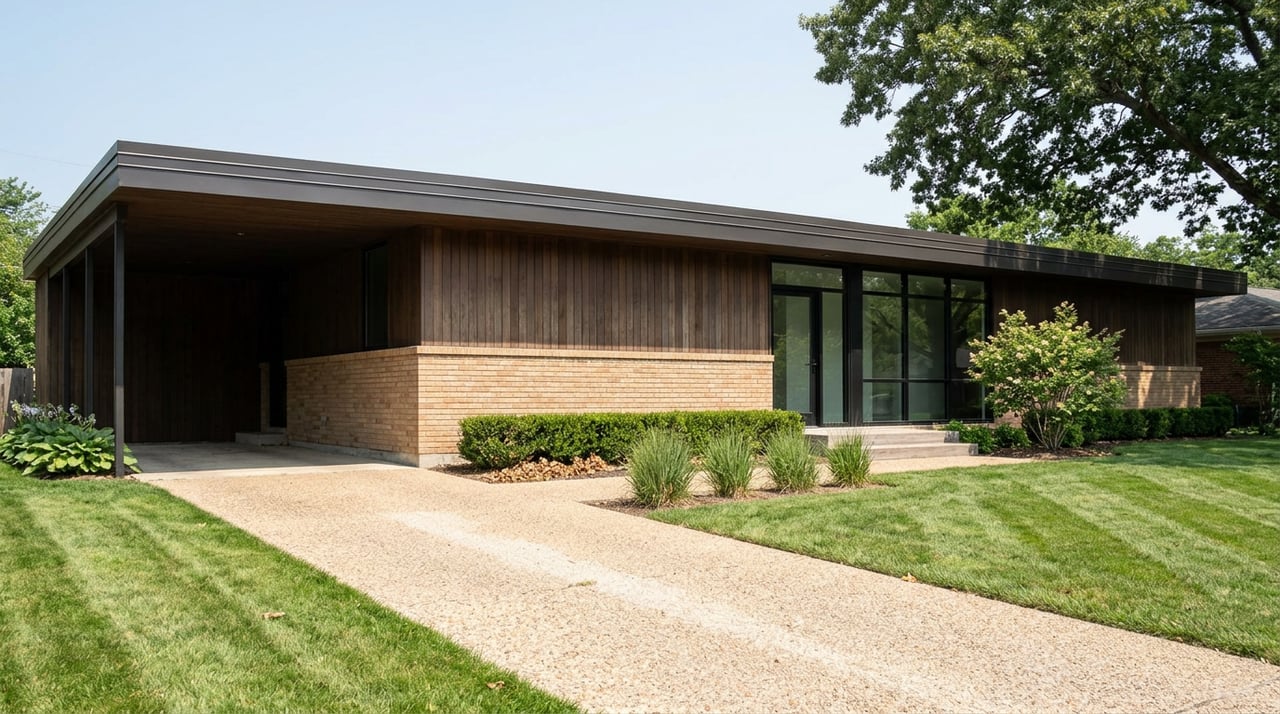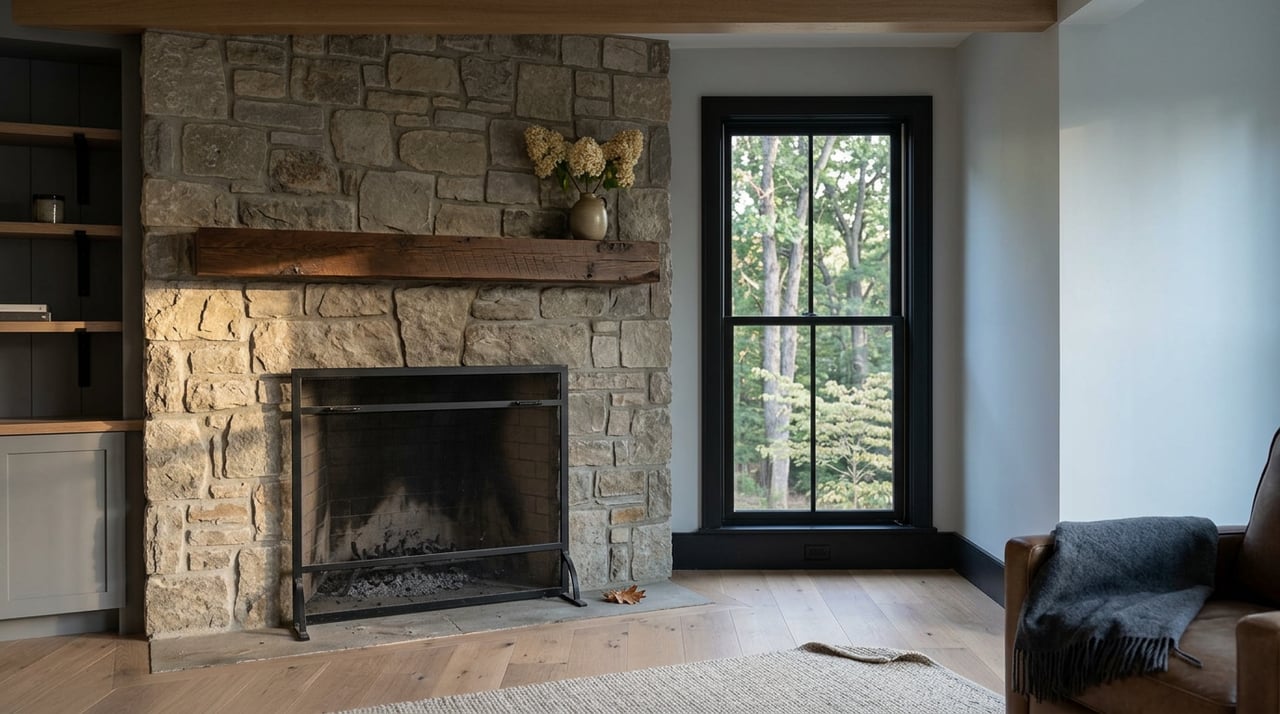
If you are thinking about buying in Brown County, one big question usually comes first: should this be your full-time home or your getaway place? That is a smart question, because Brown County offers a very specific kind of market with wooded settings, tourism appeal, and a housing mix that does not work the same way as a fast-growing suburban area. In this guide, you will get a practical look at what the data says about Brown County as a primary home market, a vacation home market, and a possible hybrid option. Let’s dive in.
Brown County Has a Distinct Housing Market
Brown County is a small market with a strong owner-occupied base. Census QuickFacts reports a population of 15,777 in July 2025, and 86.6% of housing units are owner-occupied. That points to a market where many homes are held for the long term rather than turning over quickly.
The county also has an older population profile, with 28.2% of residents age 65 and older. That can shape the pace of the market and the kinds of homes you see available. In practical terms, Brown County often feels more like a lifestyle-driven market than a volume-driven one.
Tourism plays a major role here too. The Brown County Convention and Visitors Bureau reported $66.4 million in visitor spending in 2021, including $32.3 million tied to lodging. That matters if you are considering a second home, because it shows that overnight demand is a real part of the local economy.
Brown County as a Primary Home Market
For many buyers, Brown County works best as a full-time home when lifestyle is the priority. If you want privacy, woods, and a quieter setting, the county offers a strong case for year-round living. The owner-heavy housing base also supports that sense of stability.
This market may be especially appealing if you value the property itself and the surrounding landscape more than quick access to a broad set of in-town amenities. Brown County is not best understood as a fast-growth suburban market. It is better understood as a place where buyers often choose the setting first and shape their lifestyle around it.
That does not mean every home is alike. Some properties may fit buyers looking for a simple primary residence, while others may lean more toward scenic acreage, cabin-style design, or a more destination-oriented feel. Your best fit depends on how you want to live there day to day.
Why Full-Time Buyers Consider Brown County
Primary-home buyers are often drawn to a few consistent themes:
- More privacy and wooded surroundings
- A mature market with strong owner occupancy
- A lifestyle that feels quieter and less rushed
- Long-term appeal tied to scenic scarcity
If those factors match your goals, Brown County can make a lot of sense as a place to put down roots.
Brown County as a Vacation Home Market
Brown County also makes a strong case as a vacation home market. This is not a new pattern. Indiana Census profile tables showed 1,195 seasonal, recreational, or occasional-use units in 1990 and 1,000 in 2000, which suggests part-time ownership has been part of the county’s housing mix for decades.
The local tourism base supports that idea. Brown County State Park is nearly 16,000 acres, and Indiana DNR estimates 1,471,154 annual visits for 2024 and 2025. That kind of visitor traffic helps explain why the area continues to attract buyers looking for a weekend retreat or seasonal property.
There is also reason to believe demand is broader than a few peak weekends. Indiana DNR notes that Brown County State Park is the largest state park in Indiana, and cabins at Abe Martin Lodge can be reserved up to two years in advance. Combined with the county’s lodging-related visitor spending, that points to steady destination demand rather than a purely occasional tourism pattern.
Why Second-Home Buyers Look Here
A Brown County vacation home can appeal to you if you want:
- A weekend escape within a well-known Indiana destination market
- Access to scenery and outdoor recreation
- A property that can serve personal use first
- Long-term ownership in a market with limited, lifestyle-driven supply
That said, the most sought-after properties often carry a premium. Scenic homes, cabin-style properties, and homes near major attractions may command stronger pricing than more typical housing stock.
What Current Pricing Suggests
Brown County’s active resale market is currently priced well above the countywide owner-occupied housing baseline. According to the Indiana Association of REALTORS dashboard, the county recorded 26 closed sales in April 2026 with a median sale price of $448,000. Census QuickFacts, by comparison, reports a median owner-occupied home value of $269,100.
These are different datasets, so they are not a perfect apples-to-apples match. Still, the gap suggests that the homes actively trading today may skew toward larger, newer, wooded, or amenity-rich properties. That matters whether you are buying a primary home or a vacation property, because it tells you the resale market may not reflect the county’s typical housing stock.
Inventory also remains fairly limited. In April 2026, Brown County had 36 new listings, 67 average daily inventory, and 3.7 months of inventory. The median days from listing to pending was 28, with a 94.0% sale-to-list-price ratio.
Because the number of sales is small, monthly numbers can move around quickly. A few higher-end closings can shift the median in a noticeable way. That is why local interpretation matters when you are looking at Brown County pricing.
A Quick Market Snapshot
| Metric | Brown County Data |
|---|---|
| Population | 15,777 |
| Owner-occupied housing rate | 86.6% |
| Median owner-occupied value | $269,100 |
| April 2026 median sale price | $448,000 |
| April 2026 closed sales | 26 |
| April 2026 months of inventory | 3.7 |
| April 2026 median days to pending | 28 |
Can a Vacation Home Also Produce Income?
Possibly, but you should treat that as a rules-first decision, not a marketing assumption. Brown County does have real tourism demand, but short-term rental use is regulated closely by the county. If income potential is part of your plan, zoning and permit requirements matter just as much as the home’s location or style.
According to the Brown County Planning Department, a short-term rental requires a Special Exception and Board of Zoning Appeals approval. County guidance also says short-term rentals should be at least 250 feet from the nearest residence and 1,320 feet from the nearest short-term rental. Those requirements can narrow your options quickly.
The county also distinguishes a Home Stay from a short-term rental. A Home Stay is defined as a single-family residence occupied by the owner and used to provide up to two guest rooms for a fee, and it requires a yearly Home Occupation permit. That creates a different path for some owner-occupied use cases.
There is another important rule to know. The zoning ordinance says accessory dwelling units may not be used as tourist homes or other short-term rentals, though they may be rented for minimum terms of 31 days. So if you are looking at a property with an accessory unit, you need to understand that limit from the start.
Costs and Rules to Factor In
If you are underwriting a home for personal use plus rental income, consider:
- Whether the property can qualify for local approval
- Required spacing from nearby residences and short-term rentals
- Whether the planned use fits the county definition of short-term rental or Home Stay
- Limits on accessory dwelling unit use
- Local taxes on shorter lodging stays
Indiana DOR says Brown County’s county innkeeper tax is 8% effective July 1, 2025, and it applies to lodging stays of less than 30 days, including vacation homes, cabins, and houses. It is collected in addition to state sales tax, so conservative planning is important.
Which Strategy Fits You Best?
Brown County can work well for several types of buyers, but the right strategy depends on how you plan to use the property most of the time. In many cases, the answer is less about labels and more about daily life, local rules, and what you are willing to pay for a scenic setting.
Primary Home May Be Best If You Want
- A quieter owner-occupied community
- More privacy and wooded surroundings
- A home chosen for lifestyle over commute convenience
- Long-term personal use with steady market fundamentals
Vacation Home May Be Best If You Want
- A personal retreat in a well-established destination area
- Flexible weekend or seasonal use
- A property tied to recreation and tourism demand
- A long-term hold in a limited lifestyle market
Hybrid Use May Be Best If You Want
- A second home first, with carefully researched rental potential
- Personal enjoyment plus selective income opportunities
- A property that meets county rules before purchase
- A conservative approach to taxes, permits, and operating costs
Long-Term Outlook for Brown County
Brown County’s growth story looks more like steady, scarcity-driven appreciation than rapid metro-style expansion. The FHFA all-transactions house price index for Brown County rose from 180.25 in 2021 to 261.30 in 2025. That is about 45% cumulative growth over that period.
From 2024 to 2025, the index increased from 244.93 to 261.30, or about 6.7% year over year. That does not guarantee future performance, but it does support the idea that long-term holding can be rewarding in a market where scenery, destination appeal, and limited supply all matter.
For many buyers, that is the key takeaway. Brown County is strongest as a lifestyle market with selective vacation-home and income-property upside, not as a pure high-volume rental market. If you buy here, your best results are likely to come from matching the property to the way you actually plan to use it.
If you are weighing Brown County as a primary residence, a weekend retreat, or something in between, local context can make all the difference. The right home is not just about price. It is also about setting, zoning, and long-term fit. If you want help comparing your options in Brown County and surrounding southern Indiana communities, reach out to The Nolting Team.
FAQs
Is Brown County, Indiana better for a primary home or a vacation home?
- Brown County can work for either, but the best fit depends on your goals. The county stands out as a lifestyle market with strong owner occupancy, steady tourism demand, and a long history of seasonal-home use.
Are vacation homes common in Brown County, Indiana?
- Yes. Indiana Census profile tables show seasonal or occasional-use housing has been part of Brown County’s housing mix for decades, which supports the area’s long-running second-home appeal.
Can you use a Brown County home as a short-term rental?
- Possibly, but it is not automatic. Brown County says short-term rentals require a Special Exception and Board of Zoning Appeals approval, along with spacing requirements and other local rules.
Do Brown County accessory dwelling units allow short-term rental use?
- No, not for tourist-home or short-term-rental use. The zoning ordinance says accessory dwelling units may be rented only for minimum terms of 31 days.
How competitive is the Brown County, Indiana housing market?
- The market is relatively small, which means monthly data can shift quickly. In April 2026, Brown County had 3.7 months of inventory, 28 median days from listing to pending, and a median sale price of $448,000.
Is Brown County, Indiana a strong long-term real estate market?
- The available data points to steady appreciation rather than rapid metro-style growth. The FHFA house price index for Brown County increased about 45% from 2021 to 2025, which supports a long-term holding case for well-located properties.