Thinking about a more in-town lifestyle where you can walk to coffee, dinner, and weekend events? If downtown Columbus has caught your eye, you are not alone. Many buyers weigh the tradeoffs between walkability and yard space, between character homes and newer construction. In this guide, you will get a clear picture of day-to-day life near downtown, the housing you will find, commute realities, and practical checks to make before you buy. Let’s dive in.
Why live near downtown Columbus?
Columbus blends small-city ease with a strong cultural identity. With a population of roughly 50,000, it punches above its weight thanks to modern architecture, public art, and a steady local economy anchored by major employers like Cummins. That civic energy shows up downtown through galleries, public spaces, and seasonal events.
If you value short errands and a lively core, downtown offers a compact, walkable setting. You will see neighbors out during the day, enjoy easy access to restaurants and services, and keep more of your time for the things you love. If you prefer more space or larger lots, neighborhoods just outside the core offer a good balance of access and privacy.
Day-to-day lifestyle
Walkability and errands
The downtown core is compact and pedestrian-friendly. Sidewalks, short blocks, and clustered shops make it simple to walk for coffee, lunch, and many routine appointments. As you move a mile or two from the center, walkability varies by street. Some areas still feel connected, while others function more like traditional suburban corridors where a car is typical for errands.
Parks and outdoor space
You will have access to a range of green spaces close to downtown. Mill Race Park is the area’s signature destination with trails, open lawns, and event space that draws residents from across the city. Smaller neighborhood parks and river-adjacent paths add quick outdoor options for a jog, dog walk, or picnic. Dedicated bike facilities exist in parts of the city, though bike infrastructure is a mix of multiuse trails, shared streets, and on-road routes.
Dining, retail, and cultural life
Downtown supports a mix of independent restaurants, cafes, and bars, plus locally owned retail. Larger-format shopping sits along arterial roads outside the core. Cultural life adds extra color downtown, with galleries, community arts events, festivals, and architecture-related programming throughout the year. It is a practical place to live week to week and a fun place to be when events roll through.
Groceries and services
Expect convenience markets and specialty food options in and near the core. Full-service grocery choices are typically found on the downtown fringe or along major roads that are a short drive away. You can often handle day-to-day needs within a few minutes of home.
Parking and vehicle access
Downtown offers a mix of on-street parking and municipal lots. If you own multiple vehicles or host frequent visitors, look closely at parking patterns on your block of interest. Rules and enforcement can vary by time and lot, so it is smart to confirm current city regulations before you commit.
Housing near the core
Home styles you will see
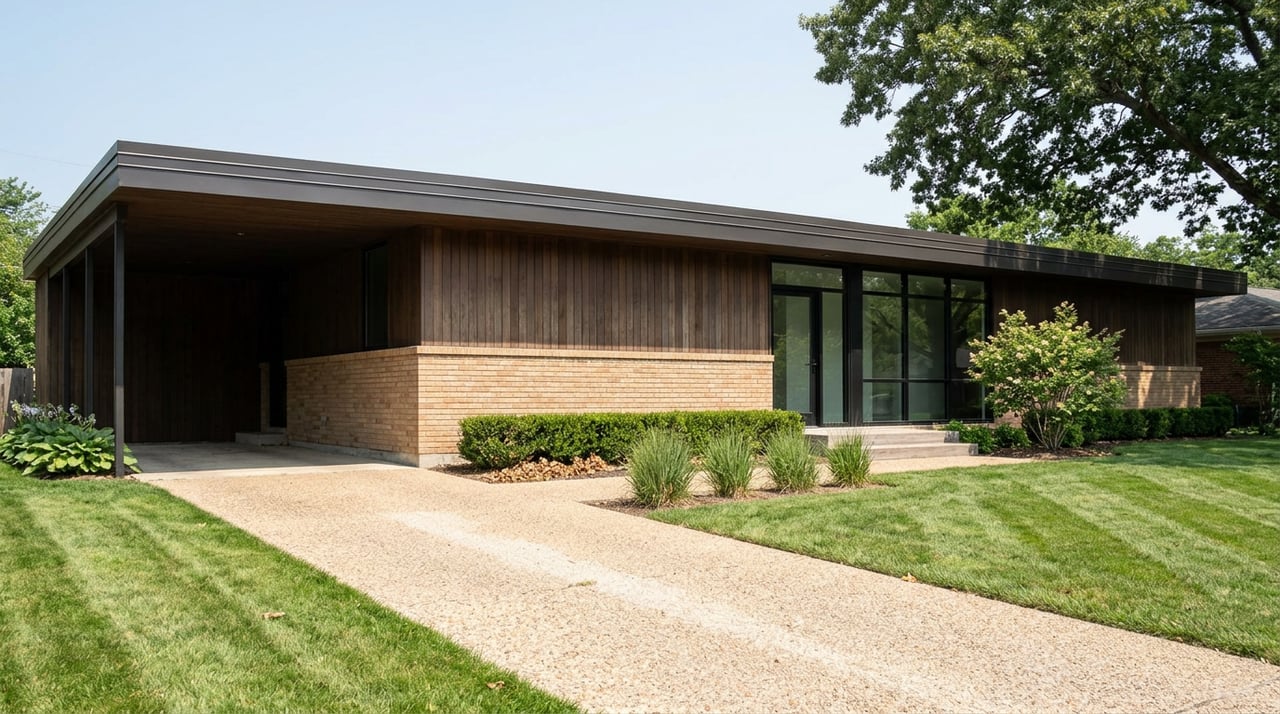
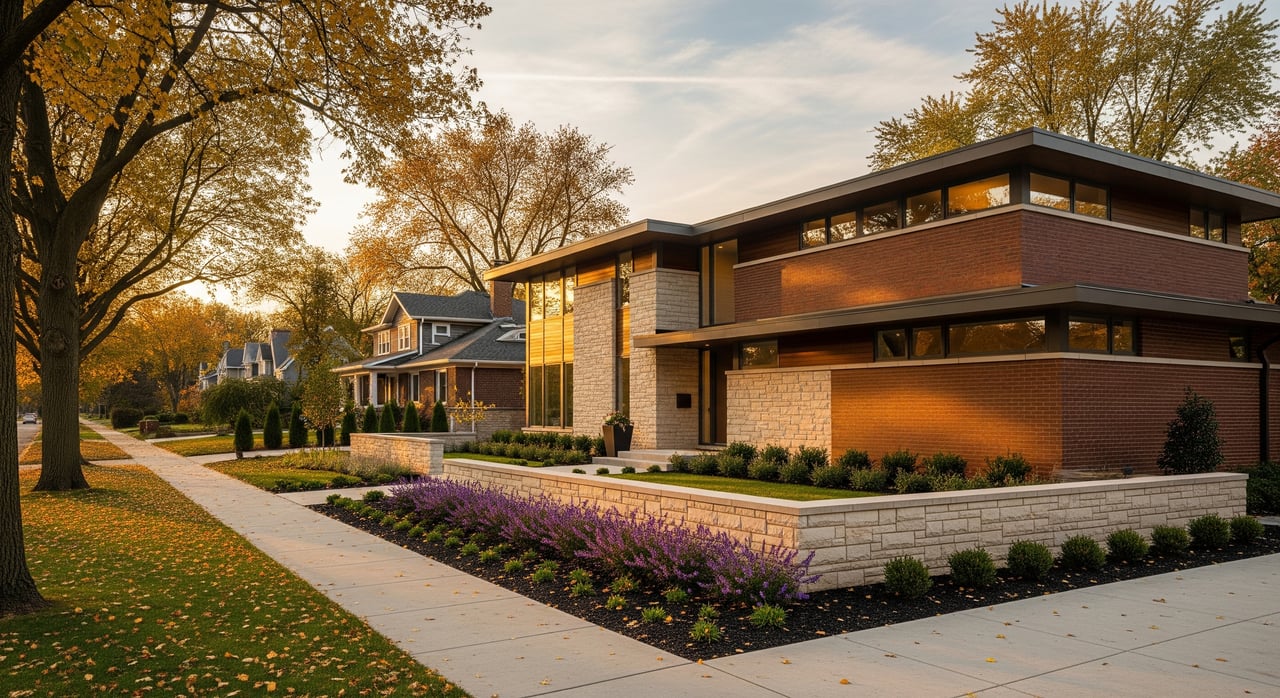
In-town Columbus offers notable variety. You will find historic homes from the late 19th and early 20th centuries, classic bungalows, mid-century ranches, and newer infill builds. Given Columbus’s architecture reputation, some streets include architect-designed or distinctive homes that stand out for their design.
Lot sizes and outdoor space
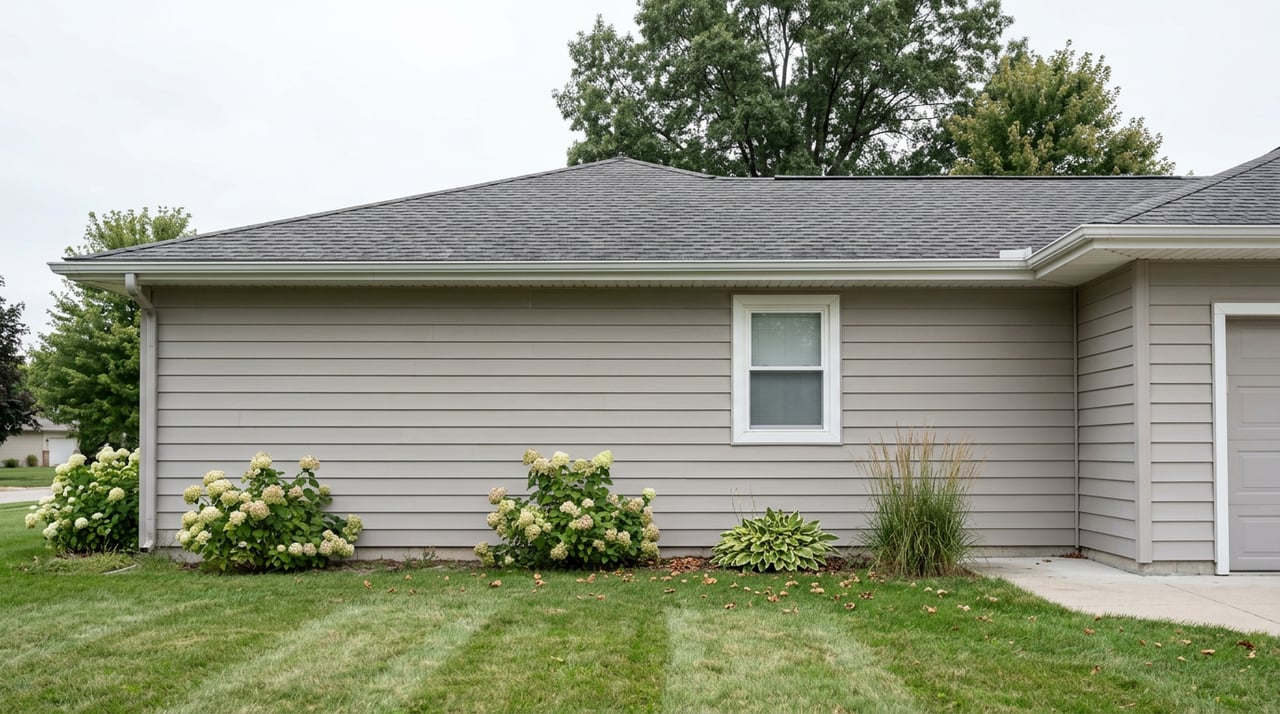
Lots close to downtown are typically smaller with modest yards. If you want lower-maintenance outdoor space, that can be a plus. If you prefer a larger yard or a three-car garage, a near-downtown or edge-of-town neighborhood may suit your day-to-day better while still keeping you within a quick drive of the core.
New construction and infill
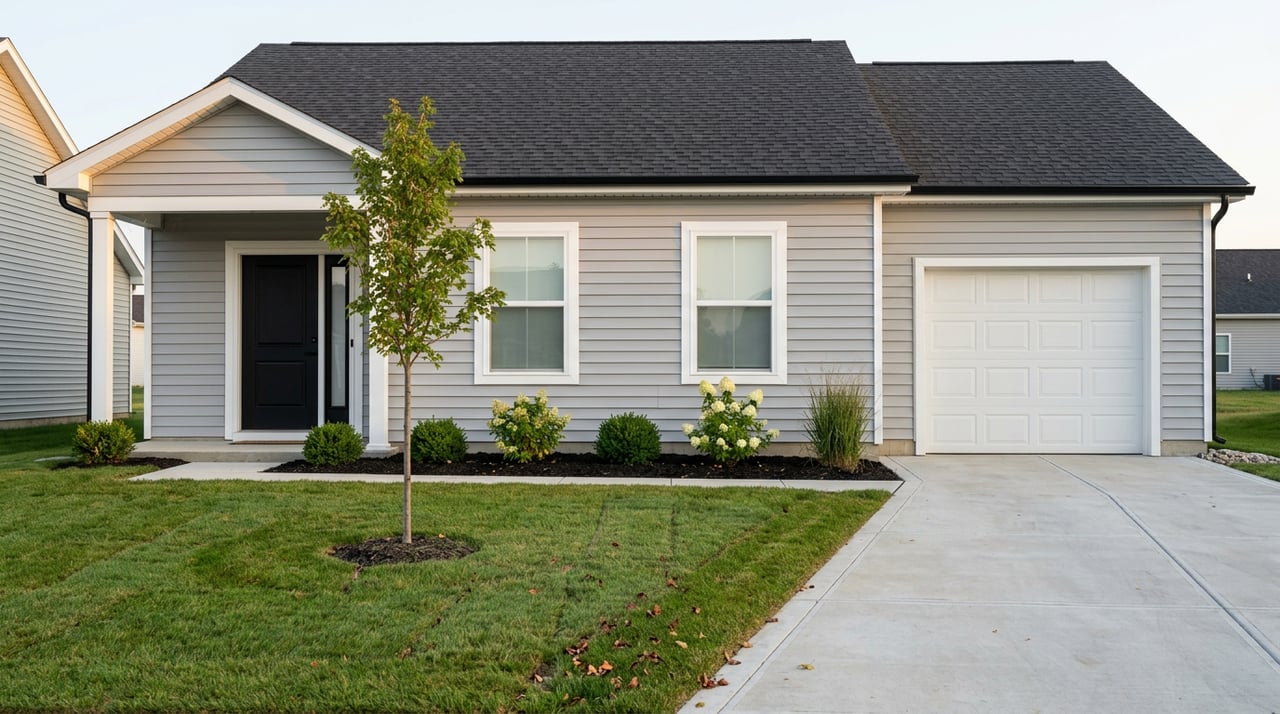
You will see new townhomes, duplexes, and small-lot single-family homes appear in close-in locations over time. These projects often trade yard size for modern layouts and in-town convenience. If lock-and-leave is your goal, newer attached options near the core can be worth a look.
Pricing patterns to expect
Close-in properties often carry a premium for proximity, walkability, and architectural interest. Prices can also reflect school boundaries and renovation level. For an updated snapshot of median prices, days on market, and micro-neighborhood trends, connect with a local agent who can pull recent MLS and county sales data specific to your block or street.
Commute and transportation
Getting around town
Outside the immediate core, Columbus functions like many Midwestern cities where a car is the main way to get around. Driving to other parts of town is typically straightforward, but take note of peak times near major employers and manufacturing corridors that can cause short bursts of congestion around shift changes.
Regional commute
If you commute to Indianapolis or another regional center, plan for a roughly 40 to 60 minute drive depending on your starting point, destination, and traffic. Public intercity options are limited, so a personal vehicle is the common choice. If you make that drive daily, test it at your typical departure time before you buy.
Public transit, biking, and walking
Local transit services exist but are limited compared with large metros. If you live very close to downtown, biking or walking can cover a good share of daily trips. For longer bike commutes, route safety and comfort depend on your exact path and confidence riding on shared streets.
Neighborhood snapshots near downtown
In-town core
- Residents: A mix of people who prioritize walkability, cultural life, and convenience.
- Housing: Apartments, condos, and historic single-family homes with smaller yards.
- Lifestyle: Short walks to dining and events, active during business hours, fewer car trips for daily errands.
Near-downtown historic areas
- Residents: Households looking for a blend of in-town access and traditional neighborhood feel.
- Housing: Larger historic homes, bungalow-style properties, and single-family options with modest yards.
- Lifestyle: Balance of walkability to some services and slightly more space at home.
Transitional and suburban-edge neighborhoods
- Residents: Households prioritizing larger lots, newer construction, and garages.
- Housing: Newer subdivisions, larger ranch or two-story homes, and planned communities.
- Lifestyle: Car-dependent for most errands, more privacy and space, about a 10 to 20 minute drive to downtown.
Who tends to thrive where
- Downtown core: You want walkability, a shorter list of yard chores, and frequent access to dining, events, and architecture.
- Near-downtown streets: You prefer a traditional neighborhood texture with a bit more room while staying close to the core.
- Outer neighborhoods: You prioritize space, garages, and price per square foot over daily walkability.
Practical checks before you buy
Schools and boundaries
Bartholomew Consolidated School Corporation (BCSC) manages public school attendance maps and enrollment policies that can change over time. Always confirm your exact assignment by address before making an offer. Private and parochial options also exist in the area, and availability may vary.
Taxes and utilities
Property taxes are set at the county level and vary by parcel. Utility providers for electric, gas, water, and sewer can differ by location. Verify tax assessments, service providers, and average bills for the specific property you are considering so there are no surprises at closing.
Safety and crime
Perceptions of safety can vary block to block. Review Columbus Police Department crime maps and neighborhood-level reports for current context, and consider visiting the area at different times of day. Local community groups can also provide helpful, on-the-ground insight.
Flood risk and environment
Parts of Columbus sit near rivers and creeks. Check FEMA flood maps and local planning resources to identify any floodplain designations, insurance requirements, or building restrictions. This is especially important for basements, additions, and long-term renovation plans.
Zoning and historic considerations
Some in-town properties fall under historic preservation guidelines or overlay districts. Before planning exterior changes, confirm rules with the City of Columbus planning and zoning office. Understanding what is allowed will help you budget, schedule, and avoid surprises.
Short-term rentals and occupancy rules
Central neighborhoods may have rules for short-term rentals and occupancy that can change. If you are considering an income strategy or accessory use, verify current ordinances with the city clerk or planning department.
How to decide if in-town living is a fit
Start with your daily rhythm. If you crave easy walks to coffee, restaurants, and events, and you like the character of historic or architecturally interesting streets, the core and near-core neighborhoods may feel just right. If you value a larger yard, a three-car garage, or newer layouts, look to the edges of town to balance space and budget while keeping downtown close by.
Make a short list of must-haves, then test them. Drive or bike your likely commute during real-life hours. Walk the blocks you are considering at lunchtime and in the evening. Check parking on your future street at night and on weekends. Confirm schools, taxes, utilities, and any environmental or zoning factors for each property you like.
Work with a local team that knows the blocks
Choosing a home near downtown is as much about the block as it is about the house. You deserve a partner with neighborhood-level insight, deep market data, and quick communication. The Nolting Team pairs decades of local leadership with a responsive, multi-agent model to guide you from first tour to closing. Whether you are a first-time buyer, a move-up household, or relocating for work, we deliver neighborhood-specific advice, pricing clarity, and smooth execution.
Ready to explore the right streets, compare options, and get a clear plan? Connect with The Nolting Team for local guidance and a data-backed valuation strategy that fits your goals.
FAQs
How walkable is downtown Columbus for daily life?
- The core is compact and pedestrian-friendly, making many errands, meals, and services a short walk; walkability decreases as you move a mile or two from the center.
What home styles are common near downtown Columbus, IN?
- You will find historic homes, bungalows, mid-century ranches, and newer infill options, including small-scale multifamily and townhomes.
Are there parks close to downtown Columbus?
- Yes. Mill Race Park is the largest nearby park, and several smaller parks, trails, and river-adjacent paths provide easy outdoor access.
How long is the commute from Columbus to Indianapolis?
- Plan for roughly 40 to 60 minutes by car depending on route and traffic; public intercity transit options are limited.
Which public school district serves Columbus, IN?
- The Bartholomew Consolidated School Corporation serves the area; always confirm school assignments by property address as boundaries can change.
Are downtown homes more expensive than homes farther out?
- Close-in properties often carry premiums for walkability, proximity to amenities, and architectural interest; verify current pricing with recent local sales data.
What should I check before buying near the core?
- Confirm parking, school boundaries, property taxes and utilities, flood risk, zoning or historic rules, and any short-term rental or occupancy regulations.